Certified Fire Instructors Class
2 Day Classes (All Day Friday & Saturday) -~16hrs.
Location
Speakers
-
South Dakota Fire Marshal Staff
Summary
Moral and Spiritual Injury: Implications for First Responders
2 Day Classes (All Day Friday & Saturday) -~16hrs.
Location
Speakers
-
Ed Hatcher
-
Rodney Veldhuizen
Summary
Truckless Truckie
2 Day Classes (All Day Friday & Saturday) -~16hrs.
Location
Speakers
-
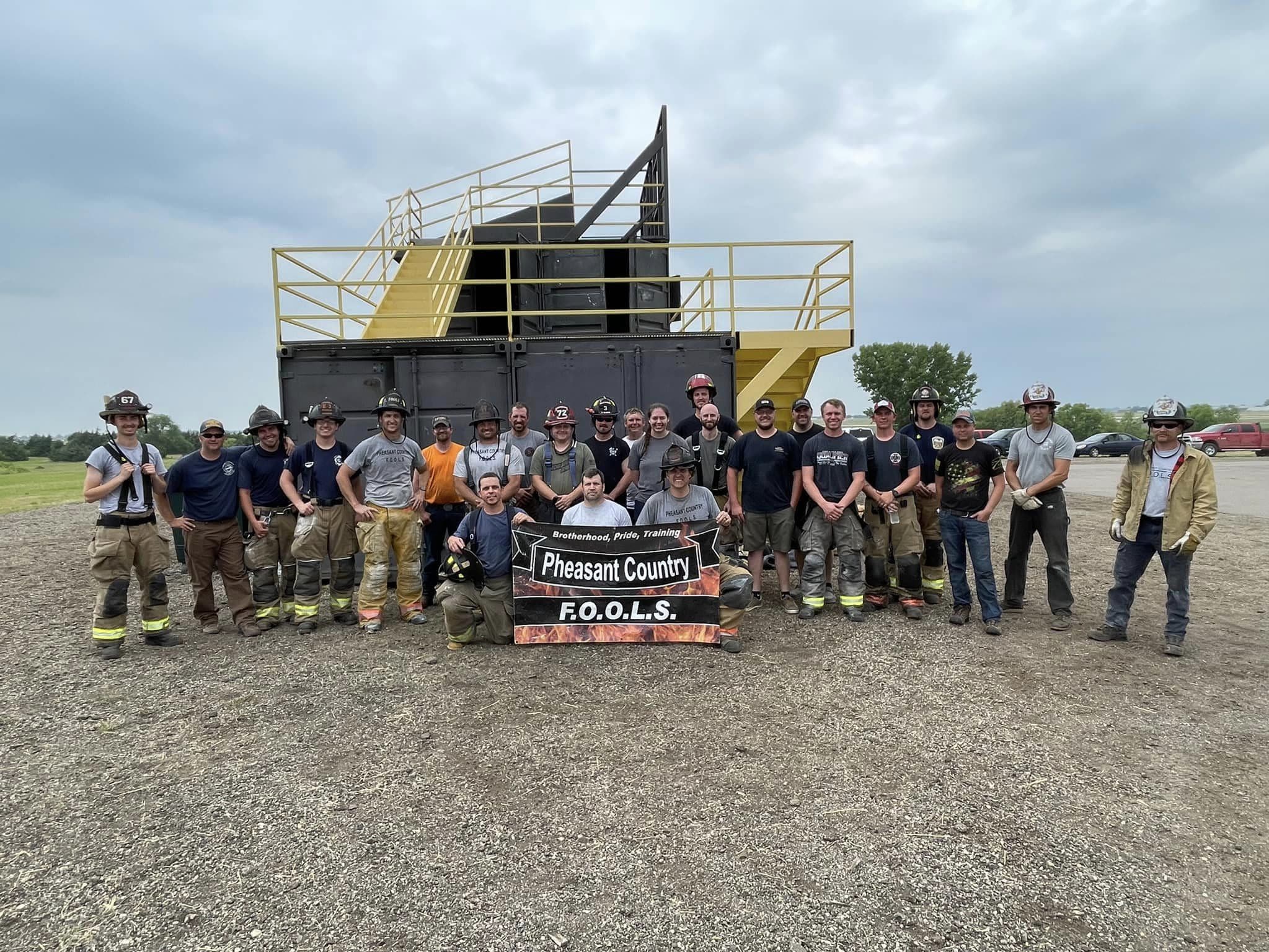
Pheasant Country FOOLSThe Pheasant Country FOOLS instructor cadre is made up of firemen from Aberdeen, Sioux Falls, Watertown and Yankton. We’ve had the opportunity to instruct at SD State Fire School every year since 2015 and have had opportunity to instruct at Rushmore Fire Conference, Lex Lukert Fire Conference, Pheasant Country Firemanship Conference and numerous SD District Fire Schools. While our instructors come from a variety of departments through a variety of ranks, they all share in common their passion for the fire service and sharing what they have learned in their careers.
Summary
National Fire Academy Course F0770 – Fire Investigation: First Responder
2 Day Classes (All Day Friday & Saturday) -~16hrs.
Location
Speakers
-
Sedric KetchumSedric Ketchum: I have been in the fire service for the past 33 years and I am currently retired and was the departments Lead Fire Investigator for the past 16 years. I have served as the regions Arson Task Force Coordinator, a position that I have held for nine years. Currently I am also retired as the Sacramento Valley Youth Firesetter Chairperson, a position I have held for 4 years. Youth Firesetter Intervention Specialist & Program Manager course work completed. I have attended youth firesetter training throughout the country. I have qualified as an expert in the following fields, debris analysis, youth firesetter, fire investigations and a arson profiler. I bring several fields of expertise, handling youth firesetters and coordinating youth firesetter programs in the Sacramento region.
Summary
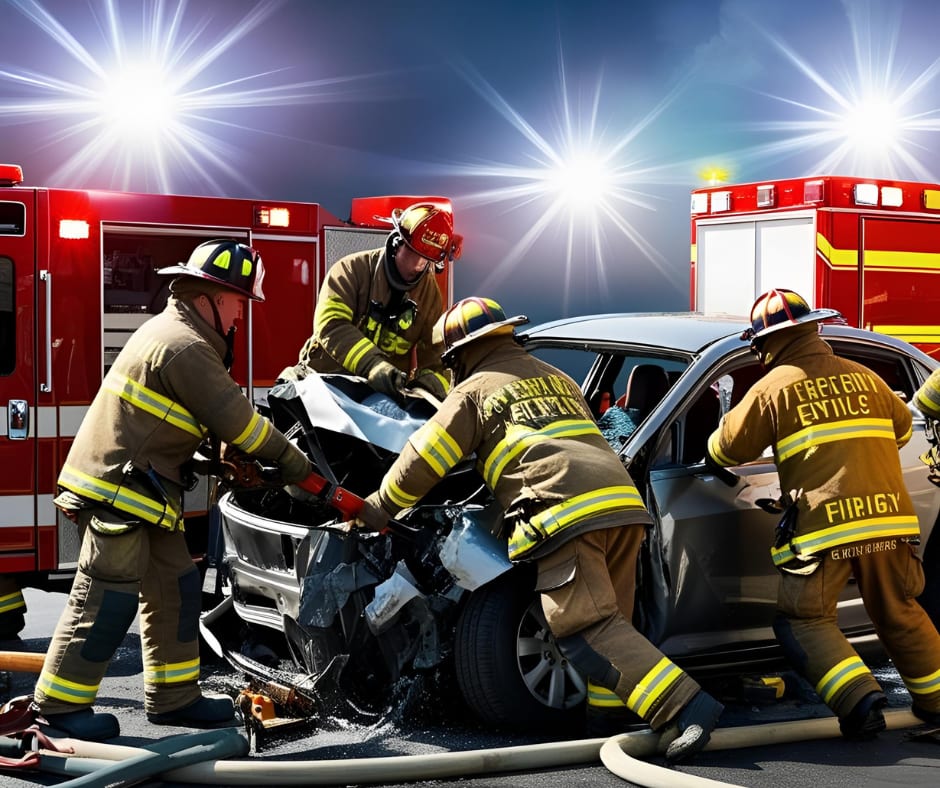
Advanced Vehicle Rescue/Extrication - FRI
Friday Full Day Classes - ~8hrs.
Location
Speakers
-
MIKE ELIASONMike Eliason is a Lieutenant with the City of Aberdeen Fire/Rescue and has been on the department for over 23 years. Prior to his employment with Aberdeen Fire/Rescue, Mike received an Associate’s Degree in Applied Fire Science from Northland Community and Technical College in E. Grand Forks MN. He is an active SD State Fire Instructor, having taught various Fire/Rescue classes at several SD Sate and District Fire Schools. Mike also teaches the SD State Certified Firefighter and Driver/Operator programs to local fire agencies, usually administering multiple classes each year.
Summary
Basic Vehicle Extrication - FRI
Friday Full Day Classes - ~8hrs.
Location
Speakers
-
Jeremy Scott
Summary

Emergency Vehicle Operator Course - EVOC - FRI
Friday Full Day Classes - ~8hrs.
Location
Speakers
-
Brad GeorgesonI've been a member of Hurley Volunteer Fire Department since 1999 and had served as Chief for 15 years as well as Assistant Chief, 2nd Assistant Chief and training officer positions. I have been the Director for Turner County Emergency Management since 2013 and have recently added Hutchinson County Emergency Management as Director in 2025. I am also currently the president of the Turner County Emergency Services Association. I also volunteer on Parker Ambulance and Menno Fire Department. I have been a certified fire instructor since 2009.
Summary
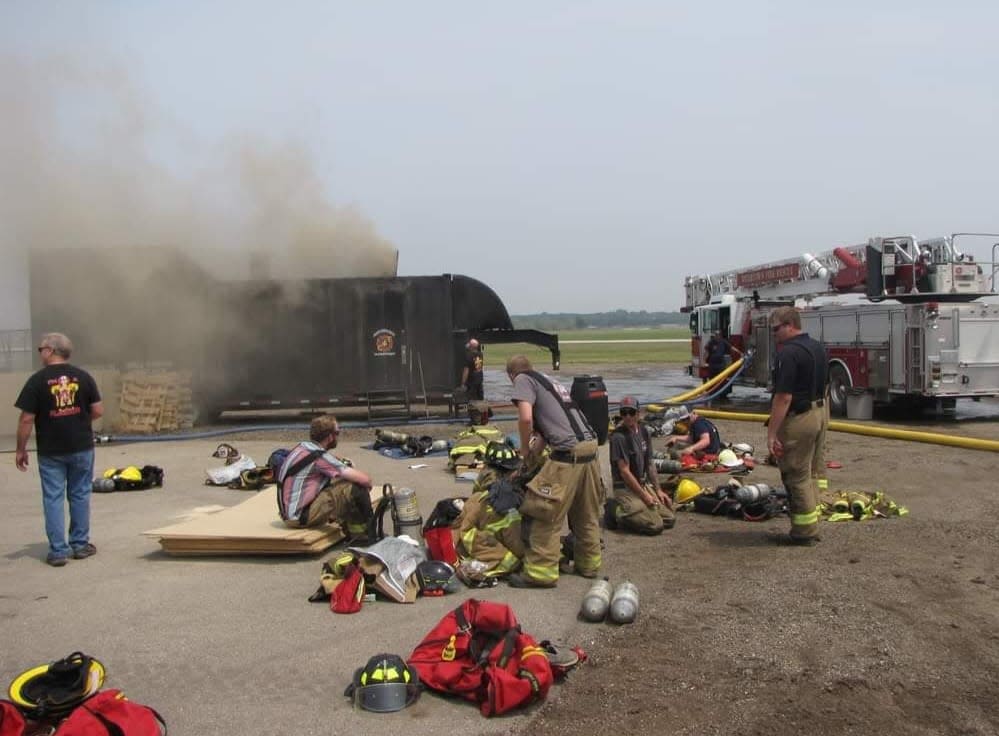
Flashover Simulator/Live Fire Training - FRI
Friday Full Day Classes - ~8hrs.
Location
Speakers
-
Customized Firefighter TrainingCustomized Firefighter Training Inc. was established in 1998. Founder, Jim Carpenter was seeing a need to give quality hands on training that comes to the department. Carpenter is a 30-year veteran of the fire service. His company now travels to 5 states performing classes on interior attack and Flashover recognition along with a wide range of topics. All our staff is seasoned Firefighters that have or are rising through the ranks in both volunteer and career fire departments. Most of them have been with us for 10 years or more. We pride ourselves in trying to have the most up to date training, taught in a thought provoking and interactive class with real-life hands-on training.
Summary
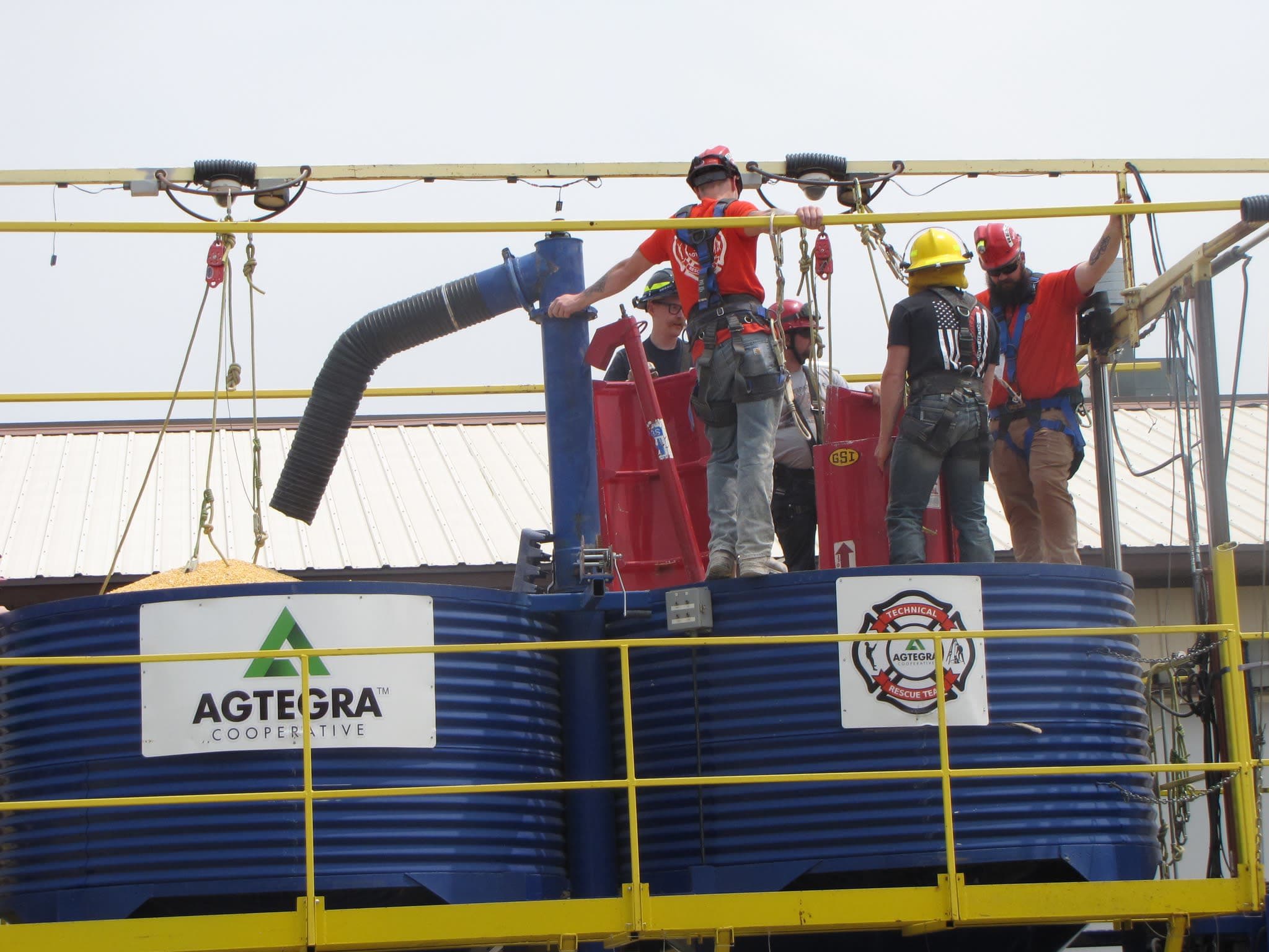
Grain Entrapment / Rescue - FRI
Friday Full Day Classes - ~8hrs.
Location
Speakers
-
Agtegra Cooperative Technical Rescue TeamOur Technical Rescue Team (TRT) is made up of a team of Agtegra employees who are trained and certified in high angle technical rescue. Training throughout the year, this team is equipped and ready to respond to a grain bin engulfment or any other scenario that may require a high angle rescue.
Summary

Lithium-Ion Battery Fires-An Overview - FRI
Friday Full Day Classes - ~8hrs.
Location
Speakers
-
Webster MarshallFirefighter since 2001. Work experience in different sized municipal fire departments. Retired from full time shift work in Jan 2025. I am formerly a full time Lieutenant at the Gwinnett County Fire Department and currently a Captain at the Jackson Trail Fire Department also. I serve as Director of Research for the Fire Fighter Cancer Foundation and sit as a principal voting member of NFPA 1970 and NFPA 1850. I Co-Founded Command and Control in 2021 with my father-My Idol. I most recently became the VP of Business Development and Research for Full Circle Lithium in Feb 2025 where I conduct research into energy based fires as well as teach on the dynamic changes they present to the modern fire service.
Summary

No Gimmicks Handline Management - FRI
Friday Full Day Classes - ~8hrs.
Location
Speakers
-
Stone Face FOOLSThe StoneFace F.O.O.L.S derive from like-minded individuals that are determined to be a catalyst for fire service, progression, proficiency and professionalism. We do this through upholding the tradition and passion of those who came before us, both career and volunteer alike.
Summary
Reading the Building: Building FACTS and Size-up on Main Streets - FRI
Friday Full Day Classes - ~8hrs.
Location
Speakers
-
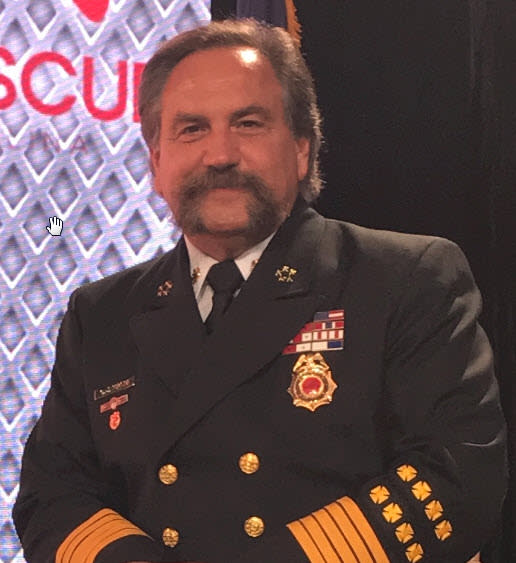
Christopher NaumChief Christopher J. Naum, SFPE Chief of Training, Command Institute, Center for Fireground Leadership Technical Consultant, NIOSH Firefighter Fatality Investigation Program Fireground Command & Operations Consultant A 50-year fire service veteran, a highly regarded national-international instructor, author, lecturer and fire officer, he’s a distinguished authority on building construction issues affecting the fireground operations, command and tactics and has traveled extensively throughout the United States and internationally delivering training programs on building construction and firefighting, command and operational safety for over thirty-nine years. He’s the Chief of Training for the Command Institute, served as a Vice President with the International Society of Fire Service Instructors and a past member of the Board of Directors, IAFC Safety, Health & Survival Section. A former command fire officer, architect and fire protection engineer, he was the 1987 ISFSI-Fire Engineering Magazine George D. Post National Fire Instructor of the Year, and is a Technical Consultant, Advisor and Subject Matter Expert to the NIOSH Firefighter Fatality Investigation Program. He has been a Contributing Content Editor and Contributor to Fire Engineering Magazine, FireEnginering.com, FireFighterNation.com and previously with Fire-Rescue Magazine and currently hosts the monthly podcast-webcast program; Buildingsonfire’s Taking it to the Streets on FireEngineering.com. He is the publisher of the new Building Construction video-gram series and the accompaniment Reading the Building Info-grams on the Clarion Event’s Fire Engineering platforms, Buildingsonfire’s A View from the Street Reading Buildings focusing exclusively on Building Construction issued affecting fireground risks, operations and command. In addition. He served as an adjunct Instructor with the National Fire Academy and a National Fallen Firefighter Foundation, Everyone Goes Home Firefighter Safety Advocate. He is a sought-after national keynote speaker, instructor and presenter and has served as an FDIC General Session Keynote speaker. He is highly recognized for his innovative training lecture series, integrating Building Construction Sciences and Fireground Operations taking the classroom onto urban city streets to fully examine and study the built environment with Building Reads and their direct relationship in fireground command, risks, tactics and safety. He been a NIOSH Firefighter Fatality Investigation and Prevention Program technical expert contributing in-depth insights on building performance, structural compromise and collapse and operational recommendations to numerous line- of-duty death reports over the past fifteen years. His supporting report graphics and illustrations have added tremendous value to the report findings and recommendations supporting his comprehensive insights and analysis. He has been a contributing author, presenter, and podcast host on numerous fire service websites, publications, and conferences in the United States and Internationally.
Summary
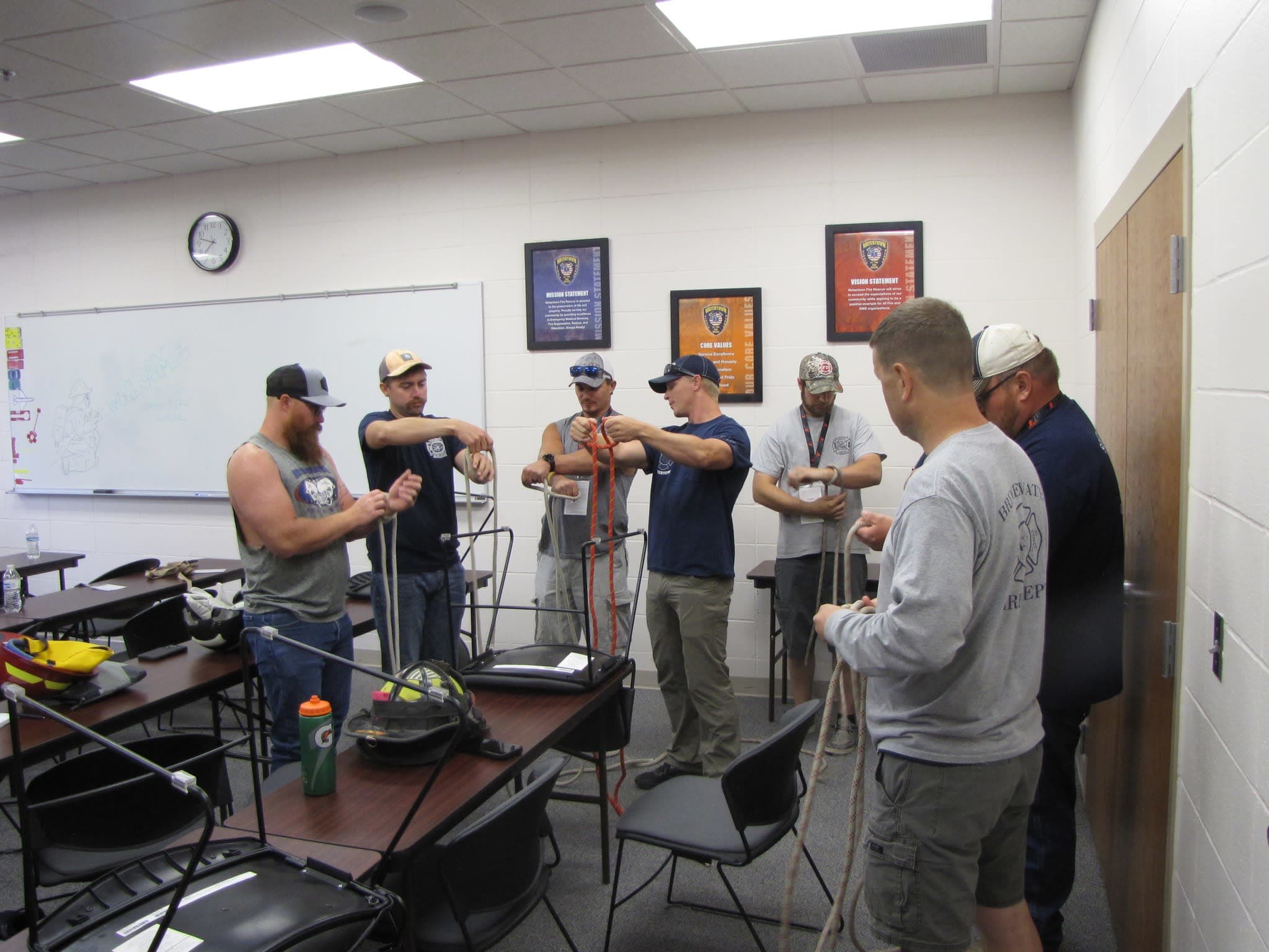
Rope Rescue, Basic - FRI
Friday Full Day Classes - ~8hrs.
Location
Speakers
-
Cameron MackCameron Mack has been a firefighter/paramedic with Watertown Fire Rescue since 2013. He is a certified Rope Rescue Instructor and is also certified as a Tower Rescue Instructor. To further continue his Rope Rescue education, he became certified by the Society of Professional Rope Access Technicians (SPRAT) as a Level 1 technician in 2020. He also instructs Confined Space Rescue courses and assists with Trench Rescue courses at Watertown Fire Rescue. On his off days from the fire department he is a Paramedic instructor for Lake Area Technical College in Watertown.
Summary

Rural Firefighting Tactics - FRI
Friday Full Day Classes - ~8hrs.
Location
Speakers
-
Derek PetersenDerek Peterson has been in the fire service since 1991. He retired a Captain and Paramedic from the Saint Paul (MN) Fire Department in January of 2022. Derek has been a certified fire instructor with various technical colleges and training institutions for the last 27 years. He currently acts as a lead instructor for Century College’s Continuing Education Program and other various Leadership Courses. Derek has developed courses on modern fire attack, rapid intervention, company operations, incident command for technical rescue, advanced strategies and tactics, and leadership.
-
David RadtkeDave is a southern Minnesota native, being born and raised in the Minnesota Lake area. Dave is a fulltime EHS manager with over 10 years of experience in the EHS arena working for companies such as American Crystal Sugar Company in the Red River valley of Minnesota and North Dakota as well as Pinnacle Foods- Birds Eye Division. Dave has a background in training and emergency response and is an active volunteer firefighter, celebrating his 15th year of service. Prior to becoming an EHS Manager Dave worked fulltime in Emergency Medical services for North Ambulance and Allina Health EMS with a combined tenure of over ten years of ALS care. Dave is an adjunct instructor with Minnesota State Colleges and Universities- MNSCU, instructing in Fire/Rescue, EMS, OSHA, and MSHA. Dave is passionate on training his fellow firefighters on solid tactics and strategies to ensure an aggressive, safe outcome for all involved.
Summary
Rural Water Supply Operations - FRI
Friday Full Day Classes - ~8hrs.
Location
Speakers
-
Mark DavisMark Davis has been involved in the fire service for 40+ years and is the founder and owner of GBW Associates, LLC. Mark is a retired Battalion Chief from the Montgomery County Fire and Rescue Service in Maryland and former volunteer Fire Chief with the Winfield Community VFD in Carroll County, Maryland. Mark has both a bachelors and a master degree from the University of Maryland where he concentrated on fire science and public administration. He is a Certified Fire Protection Specialist (CFPS), Master Pond Manager, certified State instructor and has been involved in training for over 35 years.
Summary
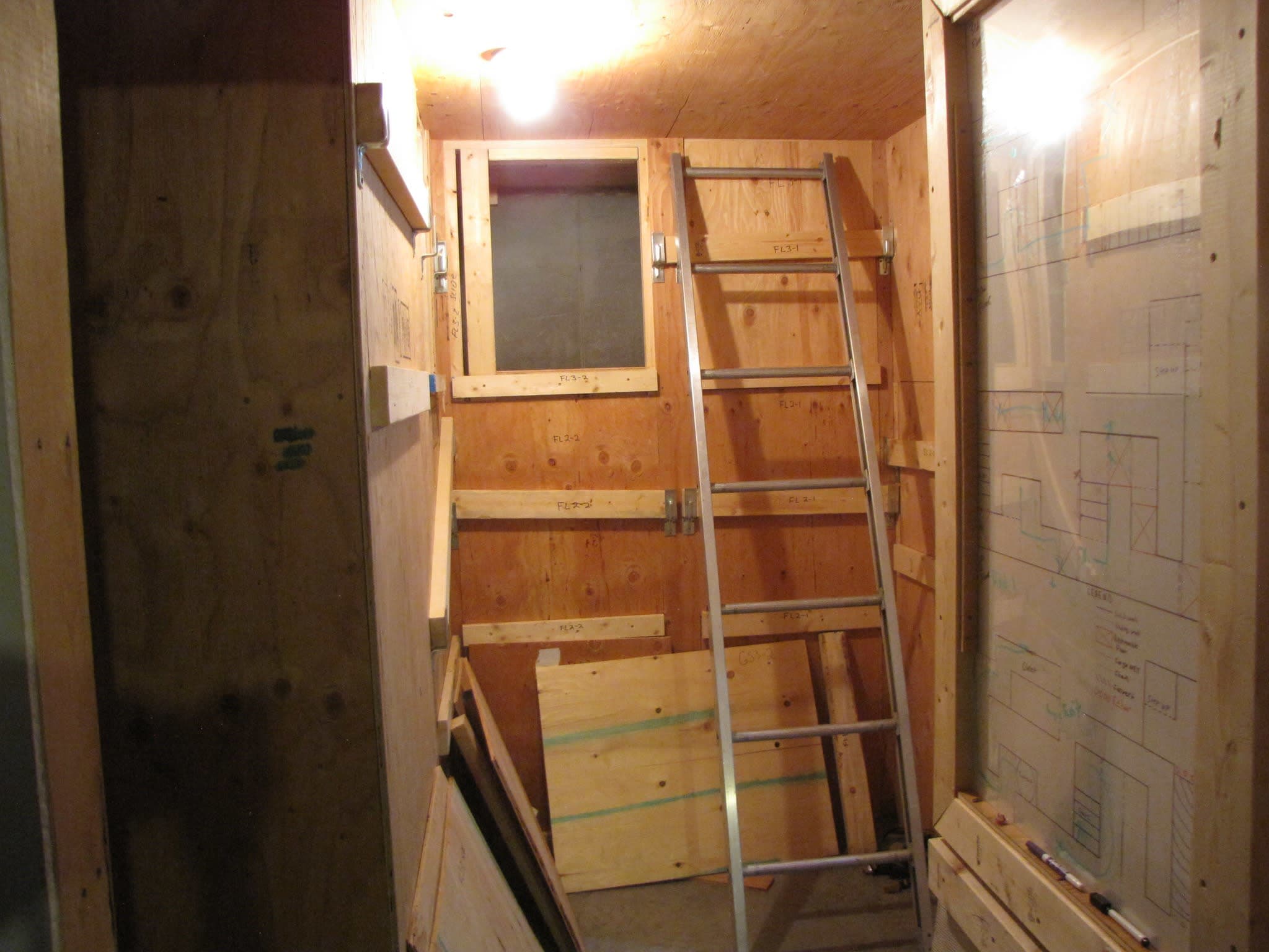
SCBA Confidence Course - FRI
Friday Full Day Classes - ~8hrs.
Location
Speakers
-
Dalton AxelsenMy name is Dalton Axelsen, I have been with Watertown Fire Rescue since 2017 and was a volunteer in Aurora prior. I am currently an FAO/Medic with WFR. I'm also a member of the Pheasant Country FOOLS, Firefighter Skill Mastery and an adjunct instructor for the Med/Fire Rescue program at LATC.
Summary
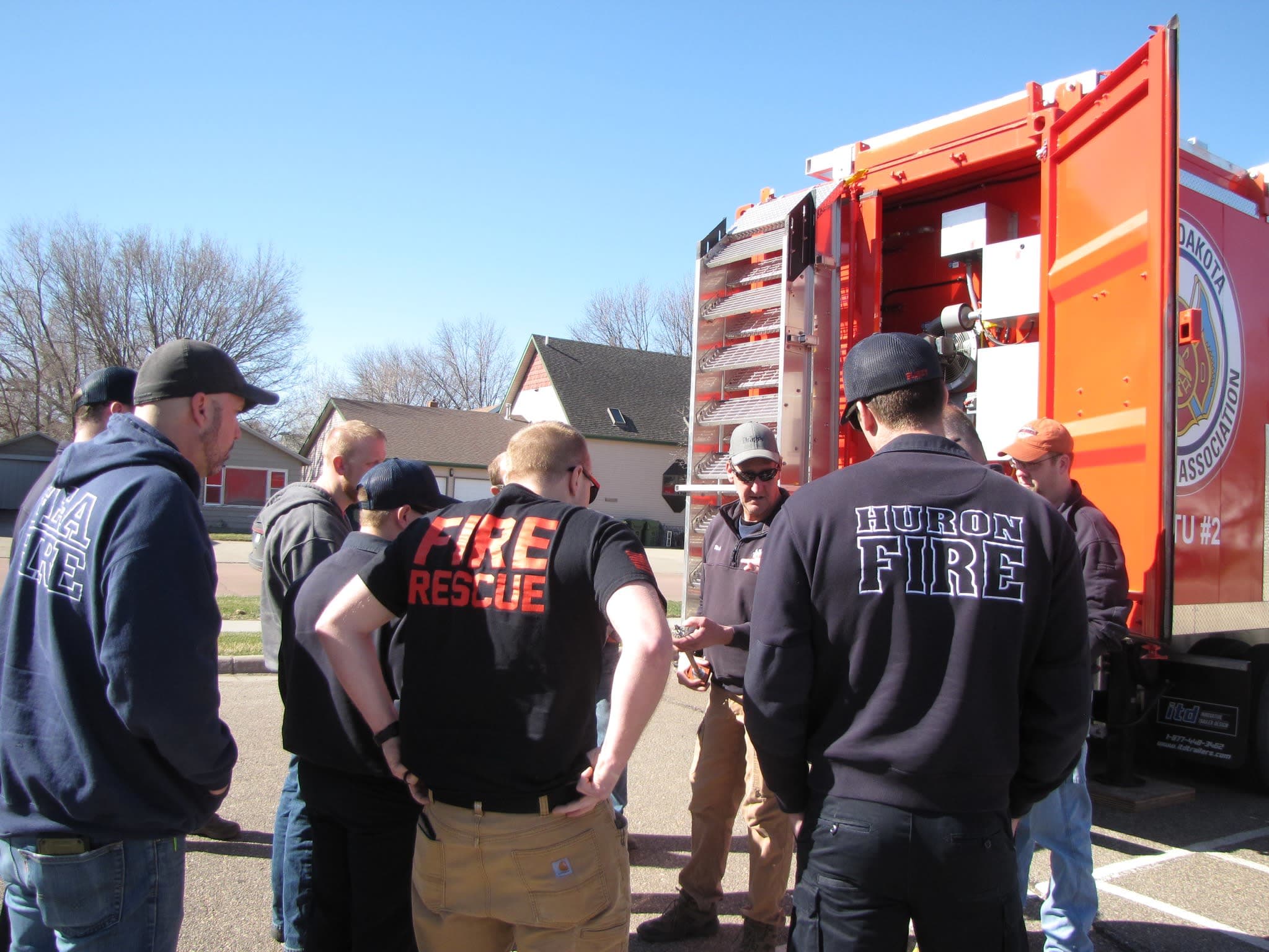
SDFA MLFTU - SENIOR Live Fire Instructor - FRI
Friday Full Day Classes - ~8hrs.
Location
Speakers
-
Aaron Mosterd - Tea Fire Department
Summary
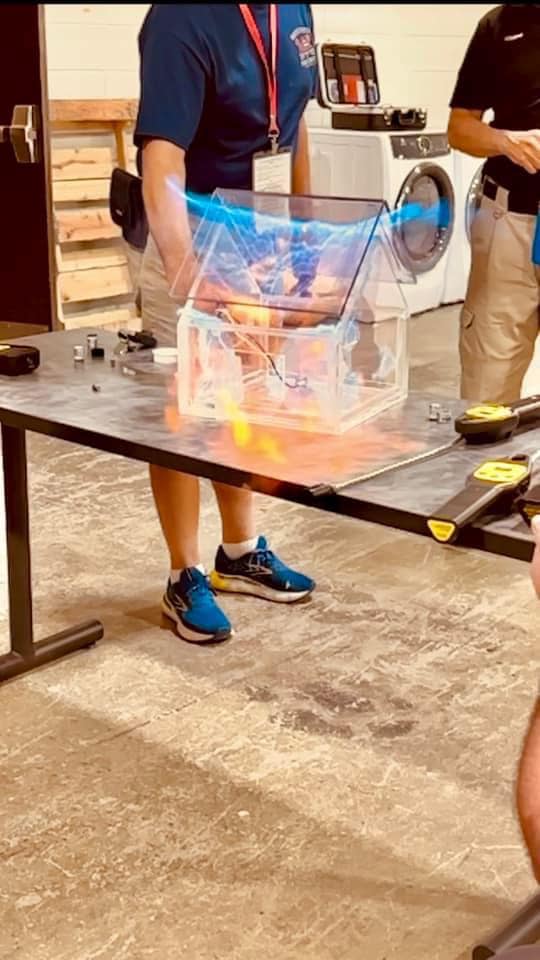
You Don’t Know What You Don’t Know About Gas Leaks - FRI
Friday Full Day Classes - ~8hrs.
Location
Speakers
-
Jerry KnappHe is the chief of the Rockland County (NY) Hazmat Team and a former nationally certified paramedic. He has a degree in fire protection and is an adjunct professor of fire technology. He authored the Fire Attack chapter in Fire Engineering’s Handbook for Firefighter I and II and has had numerous articles published in Fire Engineering.
Summary
Reading Smoke for Tactical Decision Making - FRI. AM
Friday AM Classes - ~4hrs.
Location
Speakers
-
Benjamin WilleyI have been happily married since 2002 to my wife, Lacey. She is a paraprofessional working with emotionally disturbed children for an elementary school in the Fargo Public School District. We have two children, Noah who is 20yo and studying nursing at North Dakota State University and Ella who is 18yo and a senior in the Fargo Public School District. Ella plans to study journalism at UND. I have been in the fire service since 2003. I am currently an engine company captain for the Fargo Fire Department. I previously served as a training captain for the department from 2018 to 2023. I have also been an instructor for the North Dakota Firefighters Association since 2007. I have a passion for learning, especially about leadership, relationship building, and, of course, fire fighting. I have found instructing provides the greatest opportunities to feed this passion while also sharing it with others. I appreciate the opportunity to extend my circle to the brothers and sisters of the South Dakota fire service and thank you all for inviting me to be a part of your learning experience.
Summary
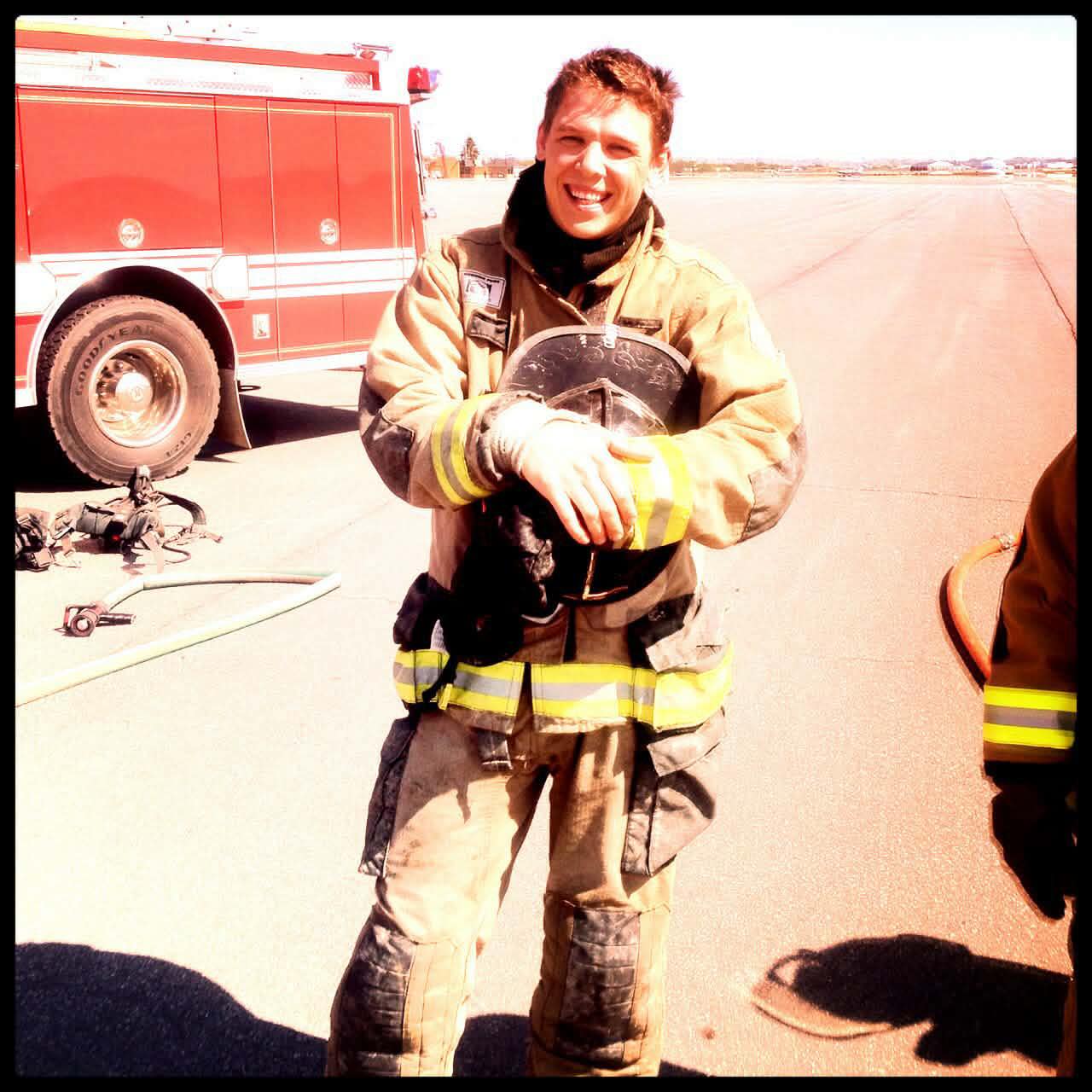
Operational Decision Making - From the Chief to the Back Seat - FRI. AM
Friday AM Classes - ~4hrs.
Location
Speakers
-
Jake JorgensonJake Jorgenson has served 18 years in the fire service. With 16 years at Watertown Fire Rescue. He is currently serving as a Lieutenant. He also teaches at Lake Area Technical College's Med Fire Rescue Program. Jake has had articles published by Fire Engineering Magazine and Firefighter Nation and has been a guest on the Fire Engineering Podcast Show Tactical Impact.
Summary
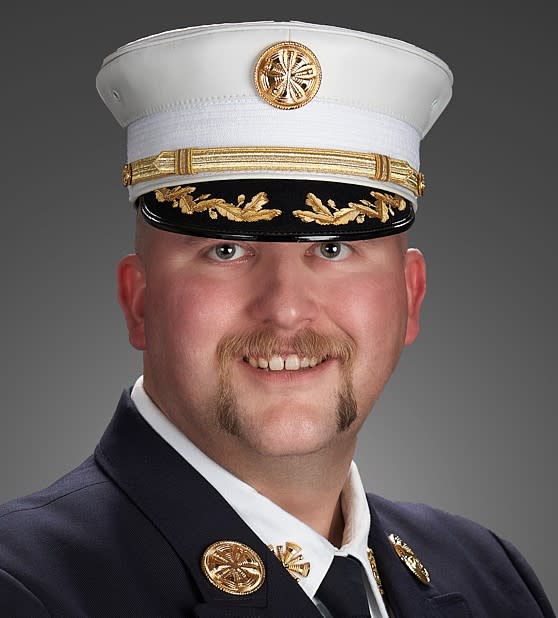
Rural Success: Winning With The Engine You Have, Not The Engine You Want - FRI AM
Friday AM Classes - ~4hrs.
Location
Speakers
-
Brandon FletcherBrandon Fletcher is the Chief of the Gilt Edge Fire Department in Tennessee and a 25-year student of the fire service. He is a second-generation firefighter with a background as both a volunteer and career firefighter in the rural, suburban, and airport/industrial settings. Brandon holds a Bachelor of Science in Agriculture from the University of Tennessee Martin and is a graduate of the Texas A&M Fire Service Chief Executive Officer (FSCEO) program. He is a contract instructor for the National Fire Academy and the Center for Domestic Preparedness, working in the HazMat programs for both organizations. Brandon has also served as a member of the Fire Service Occupational Safety (NFPA 1550) and Fire Officer Professional Qualifications (NFPA 1020) technical committees.
Summary
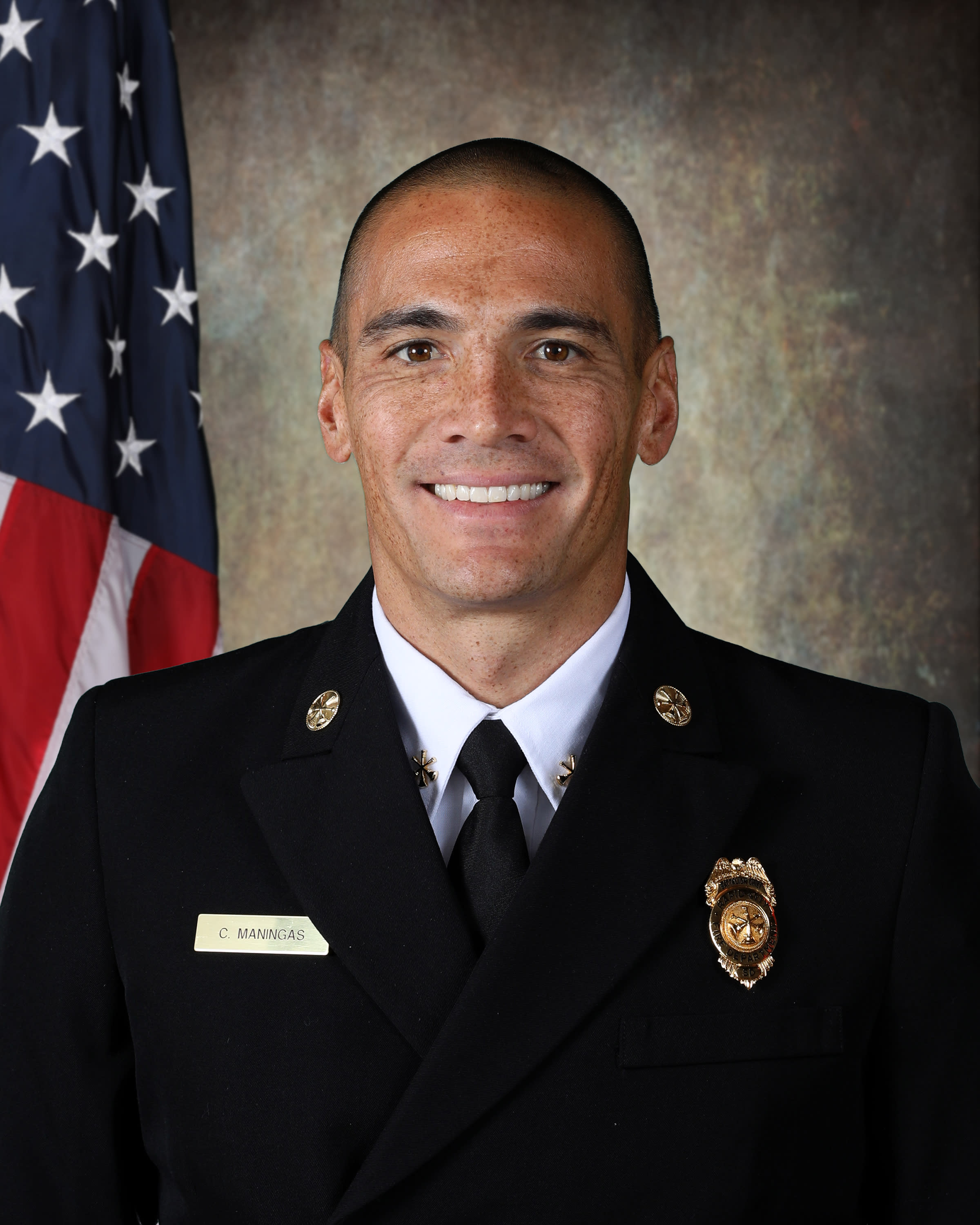
Bad Leaders, Inherited Teams, and The Wrong People in The Right Positions - FRI. AM
Friday AM Classes - ~4hrs.
Location
Speakers
-
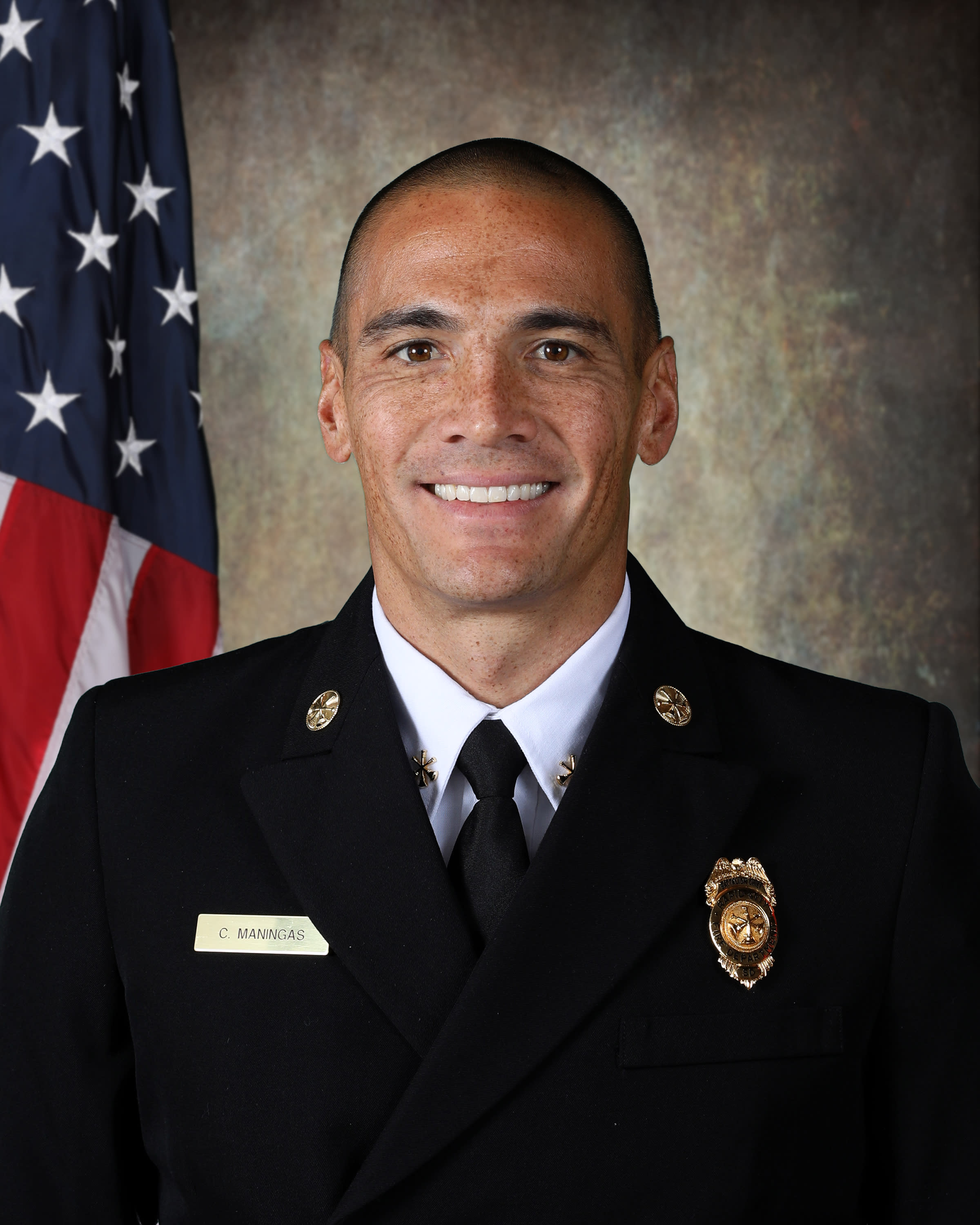
Calen ManingasAs a Battalion Chief and 17-year member of the Rapid City Fire Department (RCFD), Chief Maningas has been a leadership catalyst with a traditional yet progressive organization. Serving in Fire and EMS Operations, Chief Maningas leads a shift of 46 members operating out of seven stations. He serves as a contract instructor for the National Fire Academy (NFA), including the Executive Fire Officer (EFO) Program, is a member of the South Dakota State Fire Marshals Advisory Board, and a nationally published author and speaker. Chief Maningas has been featured at Fire Rescue International (FRI) and Center for Public Safety Excellence (CPSE) – Excellence Conference as well as works directly with departments on Strategic Leadership and Visionary Planning. Chief Maningas founded Community Risk Reduction initiatives for the city, lead regional rescue teams, instructs high-risk disciplines, and leads Professional Development.
Summary

Fire and the Media 101: What to Say when You’re in the Hot Seat - FRI. AM
Friday AM Classes - ~4hrs.
Location
Speakers
-
Steve LongSteve Long - During 25 years as a local TV News Anchor/Reporter Steve was honored with 40 awards for journalistic excellence. He is now the PIO for SD Wildland Fire. He has been blessed to learn from PIO teams on fires in multiple states. At a 2025 fire in Minnesota the National Incident Management Team (NIMO) entrusted him with training 2 upcoming leaders for media interviews.
-
Brad ReinersBrad Reiners, ABC - Communications Director/South Dakota Dept. of Public Safety Brad is an accredited business communicator with the Intl. Assoc. of Business Communicators. His lengthy career has included roles as a TV Newscast Director and many years working in corporate communications for international companies, specializing in public brand promotions.
Summary

Volunteer Fire Department Need to Know - FRI. AM
Friday AM Classes - ~4hrs.
Location
Speakers
-
Douglas HinkleDoug is the State Fire Marshal and also serves on Pierre as the Chief of Pierre Rural
Summary
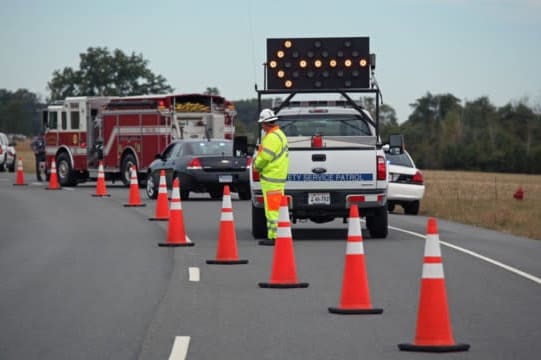
Traffic Incident Management, TIMS - FRI. AM
Friday AM Classes - ~4hrs.
Location
Speakers
-
Kenneth MarksKenny Marks is a member of Pierre Rural and City Fire Department for over 20 years. He has been involved in single resident and commercial structure to multi building fires. He has been involved in small wildland fires to very large national grass and forest fires.
Summary

Pump Operations - FRI. AM
Friday AM Classes - ~4hrs.
Location
Speakers
-
Jack Volz
Summary
Reading Smoke for Tactical Decision Making - FRI. PM
Friday PM Classes - ~4hrs.
Location
Speakers
-
Benjamin WilleyI have been happily married since 2002 to my wife, Lacey. She is a paraprofessional working with emotionally disturbed children for an elementary school in the Fargo Public School District. We have two children, Noah who is 20yo and studying nursing at North Dakota State University and Ella who is 18yo and a senior in the Fargo Public School District. Ella plans to study journalism at UND. I have been in the fire service since 2003. I am currently an engine company captain for the Fargo Fire Department. I previously served as a training captain for the department from 2018 to 2023. I have also been an instructor for the North Dakota Firefighters Association since 2007. I have a passion for learning, especially about leadership, relationship building, and, of course, fire fighting. I have found instructing provides the greatest opportunities to feed this passion while also sharing it with others. I appreciate the opportunity to extend my circle to the brothers and sisters of the South Dakota fire service and thank you all for inviting me to be a part of your learning experience.
Summary
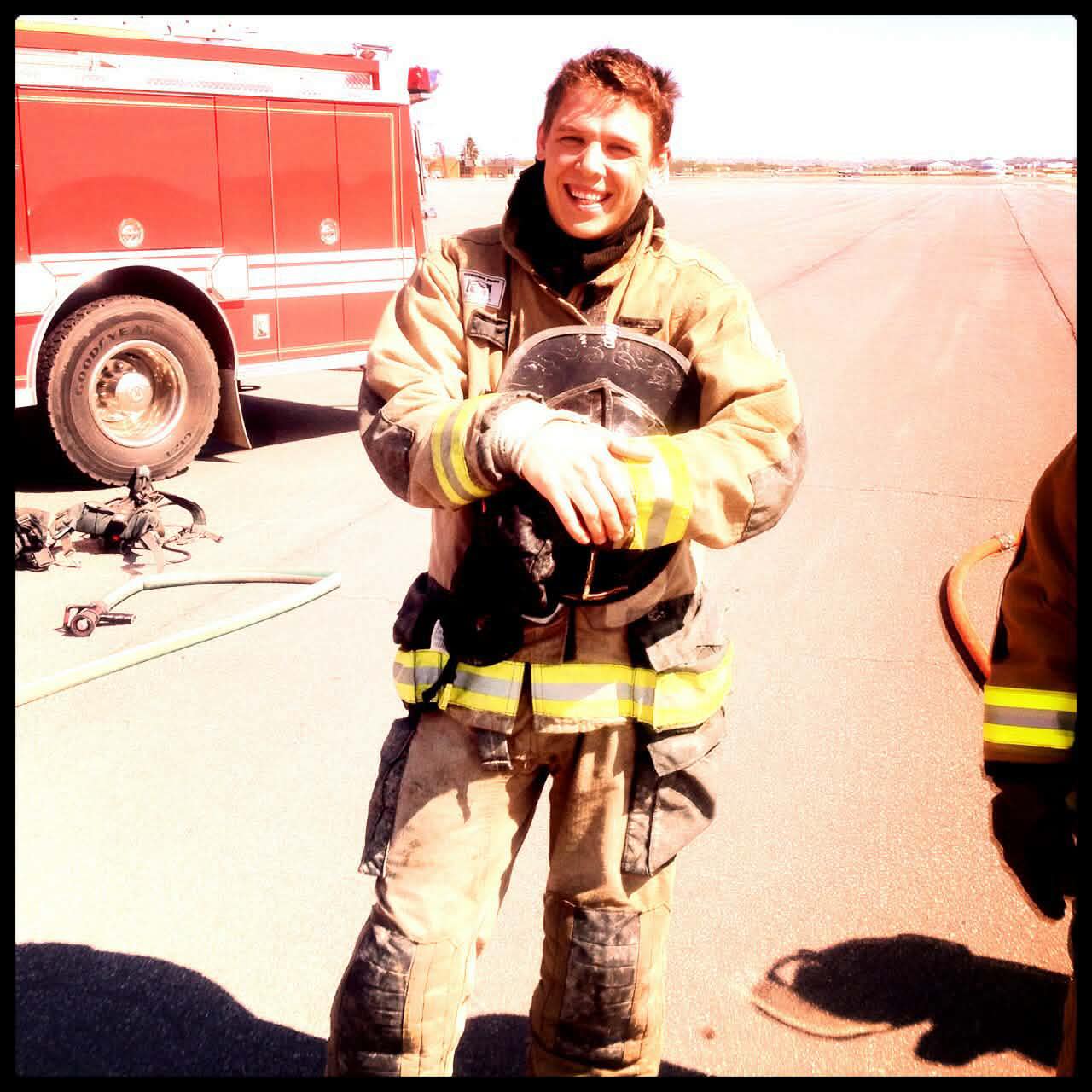
Operational Decision Making - From the Chief to the Back Seat - FRI. PM
Friday PM Classes - ~4hrs.
Location
Speakers
-
Jake JorgensonJake Jorgenson has served 18 years in the fire service. With 16 years at Watertown Fire Rescue. He is currently serving as a Lieutenant. He also teaches at Lake Area Technical College's Med Fire Rescue Program. Jake has had articles published by Fire Engineering Magazine and Firefighter Nation and has been a guest on the Fire Engineering Podcast Show Tactical Impact.
Summary
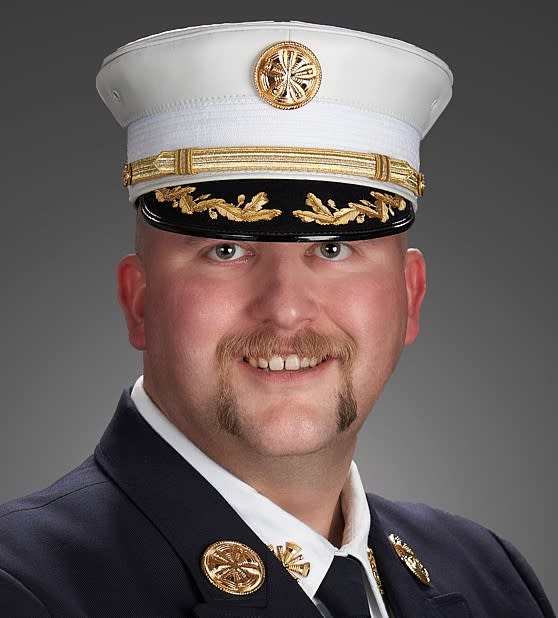
Shaping Your Volunteer Fire Department to Fit Today's Expectations - FRI. PM
Friday PM Classes - ~4hrs.
Location
Speakers
-
Brandon FletcherBrandon Fletcher is the Chief of the Gilt Edge Fire Department in Tennessee and a 25-year student of the fire service. He is a second-generation firefighter with a background as both a volunteer and career firefighter in the rural, suburban, and airport/industrial settings. Brandon holds a Bachelor of Science in Agriculture from the University of Tennessee Martin and is a graduate of the Texas A&M Fire Service Chief Executive Officer (FSCEO) program. He is a contract instructor for the National Fire Academy and the Center for Domestic Preparedness, working in the HazMat programs for both organizations. Brandon has also served as a member of the Fire Service Occupational Safety (NFPA 1550) and Fire Officer Professional Qualifications (NFPA 1020) technical committees.
Summary
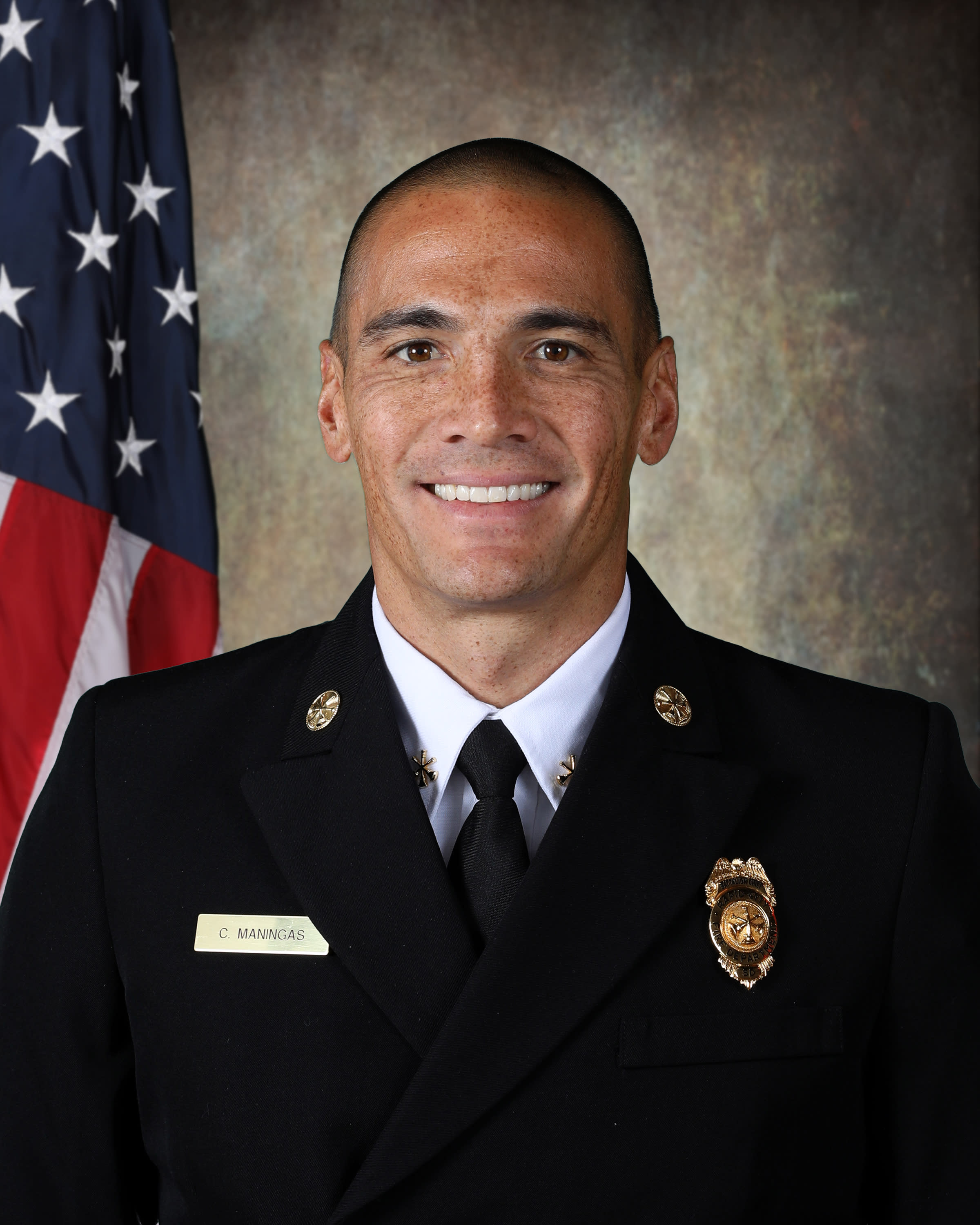
Limits: Leadership Lessons Command and Control Will Not Teach You -FRI. PM
Friday PM Classes - ~4hrs.
Location
Speakers
-
Calen ManingasYou have been trained your whole career to lead by command and control. On the fireground you have perfected this leadership style yet you are finding that you do not have the same results leading the organization. Our world around us has changed but our leadership style has not. The Hard Skills learned during emergency operations does not translate into the Soft Skills required to lead people. We can no longer lead our organizations from an “I say, you do” mentality. With multiple generations working in our departments and a changing desire for work as a whole, we must lead through Influence and Inspiration. Understanding that through our members, we can innovate, collaborate, and create a belonging based on why we exist. This session will actively engage the members through discussion and real-world incidents to understand why we must shift our leadership, the barriers we will encounter, and how to be an Influential and Inspiring Leader. OBJ: •Understand the leadership change of command and control to influence and inspire •Identify the barriers and resistance we will meet and how to walk through them •Act on the steps to become an influential and Inspiring leader
Summary
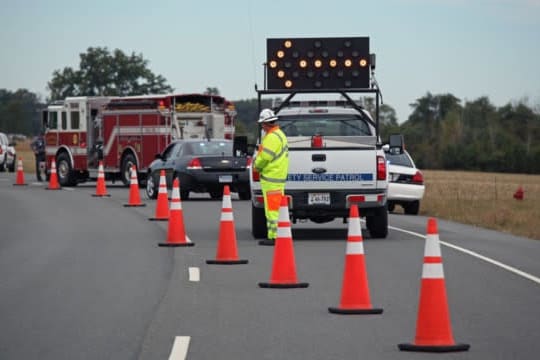
Traffic Incident Management, TIMS - FRI. PM
Friday PM Classes - ~4hrs.
Location
Speakers
-
Kenneth MarksKenny Marks is a member of Pierre Rural and City Fire Department for over 20 years. He has been involved in single resident and commercial structure to multi building fires. He has been involved in small wildland fires to very large national grass and forest fires.
Summary
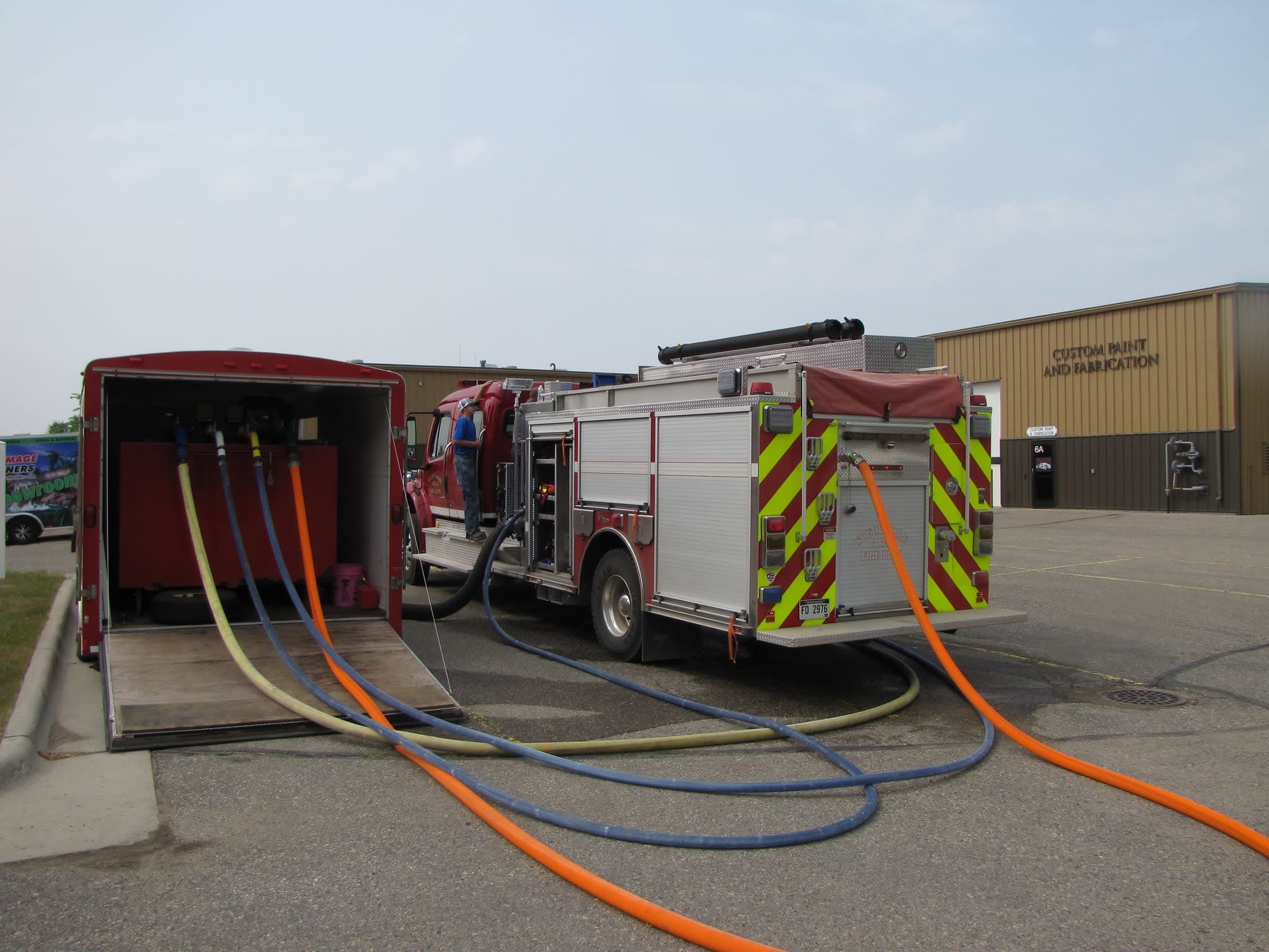
Pump Operations - FRI. PM
Friday PM Classes - ~4hrs.
Location
Speakers
-
Jack Volz
Summary

NERIS/Incident Reports - FRI. PM
Friday PM Classes - ~4hrs.
Location
Speakers
-
Douglas HinkleDoug is the State Fire Marshal and also serves on Pierre as the Chief of Pierre Rural
Summary
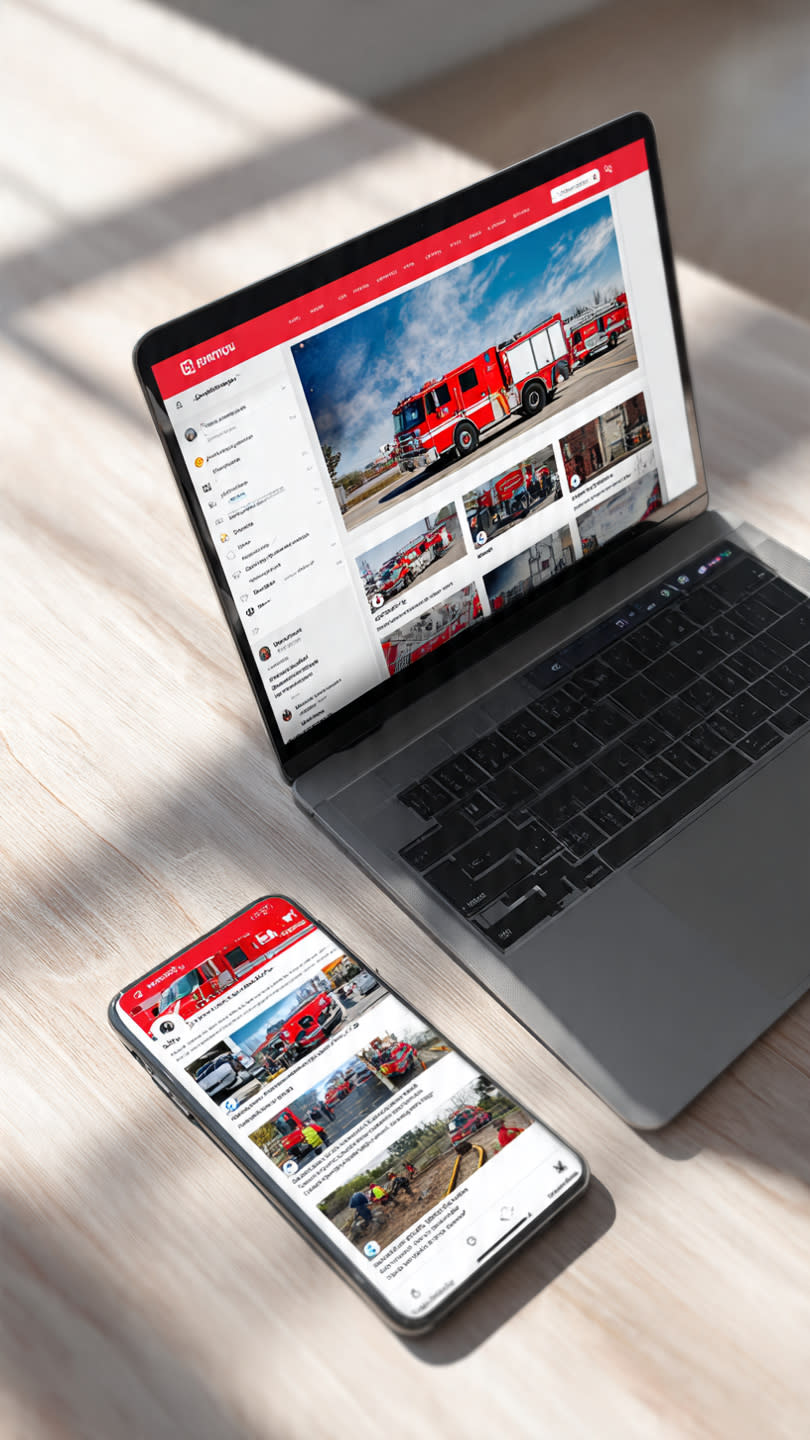
Halligan Tools & Digital Rules: A Fire Dept’s Guide to Social Media and AI - FRI. PM
Friday PM Classes - ~4hrs.
Location
Speakers
-
Nicolas Weisenbach - Training OfficerNicolas Weisenbach and Abby Jensen, both active members of the Worthing Community Fire Department, bring a dynamic blend of firefighting experience and modern technology to a classroom setting. With over 19 years in the fire service, Nicolas offers a deep understanding of fire department operations and community engagement. Abby brings a combination of teaching endorsements in technology and a younger generational look at social media. This pair bridges the gap between traditional firefighting and today’s digital tools to maximize the online appearance and engagement of fire departments on social media.
Summary
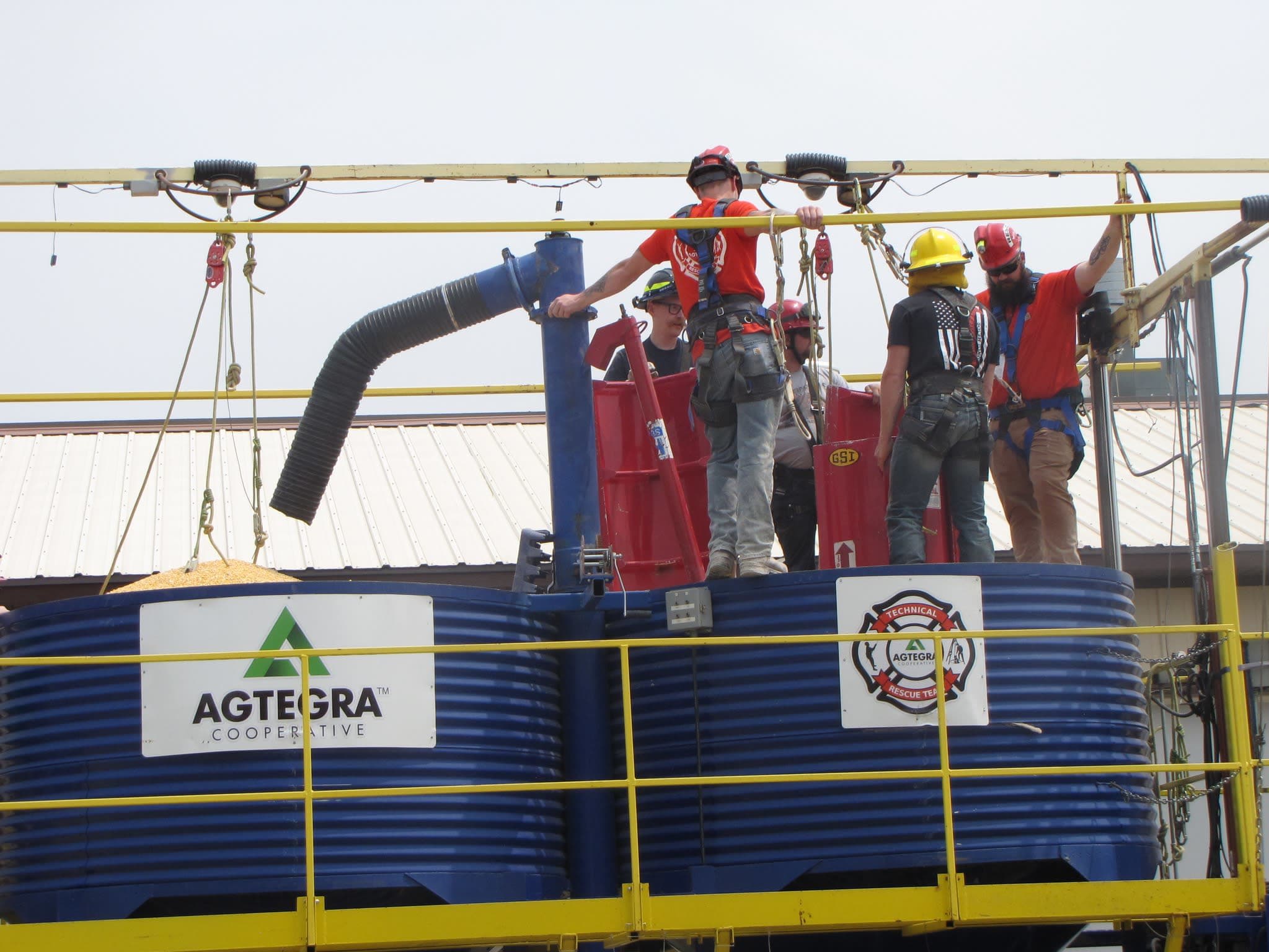
Grain Entrapment / Rescue - SAT
Saturday Full Day Classes - ~8hrs.
Location
Speakers
-
Agtegra Cooperative Technical Rescue TeamOur Technical Rescue Team (TRT) is made up of a team of Agtegra employees who are trained and certified in high angle technical rescue. Training throughout the year, this team is equipped and ready to respond to a grain bin engulfment or any other scenario that may require a high angle rescue.
Summary
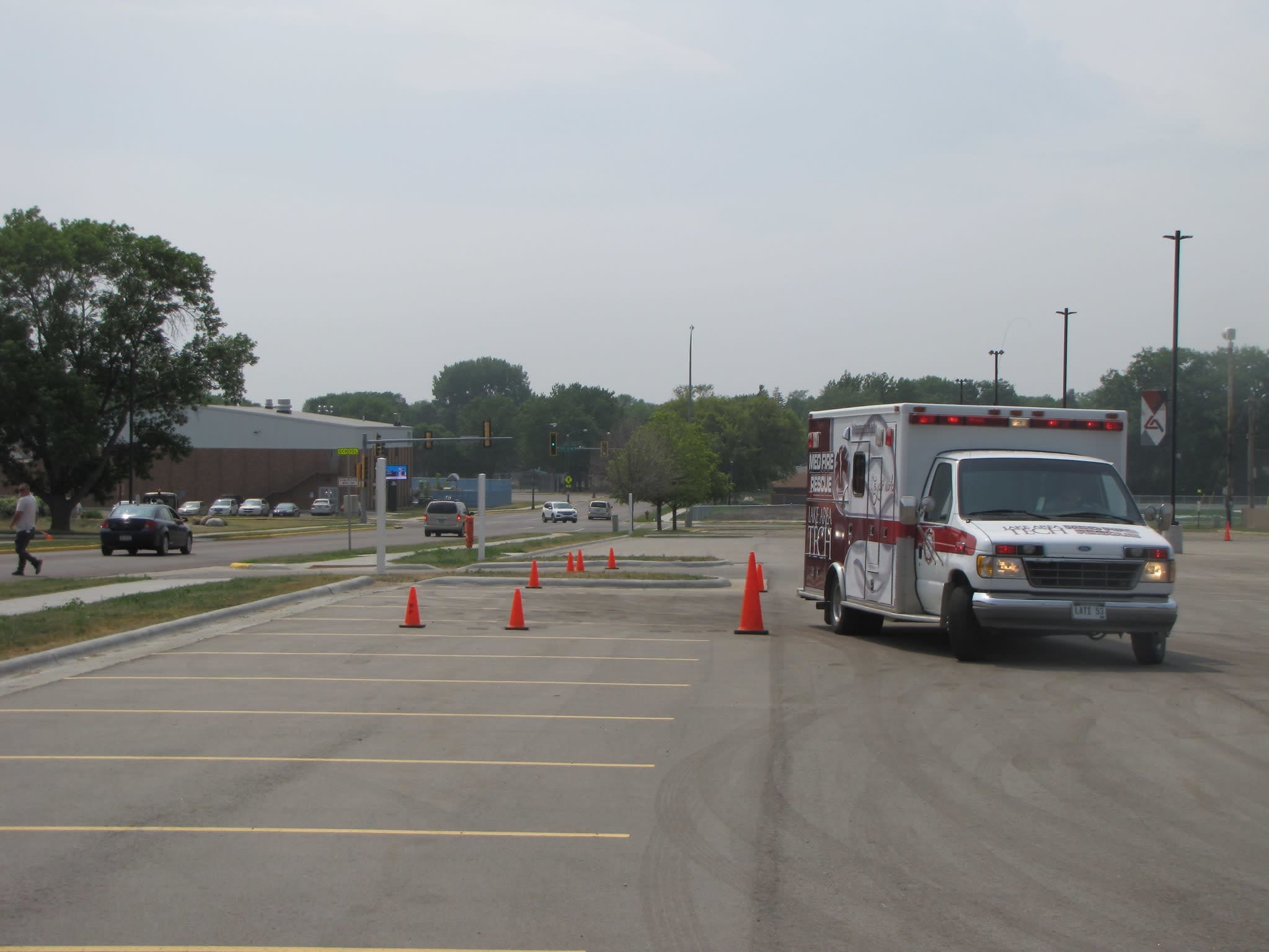
Emergency Vehicle Operator Course - EVOC - SAT
Saturday Full Day Classes - ~8hrs.
Location
Speakers
-
Brad GeorgesonI've been a member of Hurley Volunteer Fire Department since 1999 and had served as Chief for 15 years as well as Assistant Chief, 2nd Assistant Chief and training officer positions. I have been the Director for Turner County Emergency Management since 2013 and have recently added Hutchinson County Emergency Management as Director in 2025. I am also currently the president of the Turner County Emergency Services Association. I also volunteer on Parker Ambulance and Menno Fire Department. I have been a certified fire instructor since 2009.
Summary
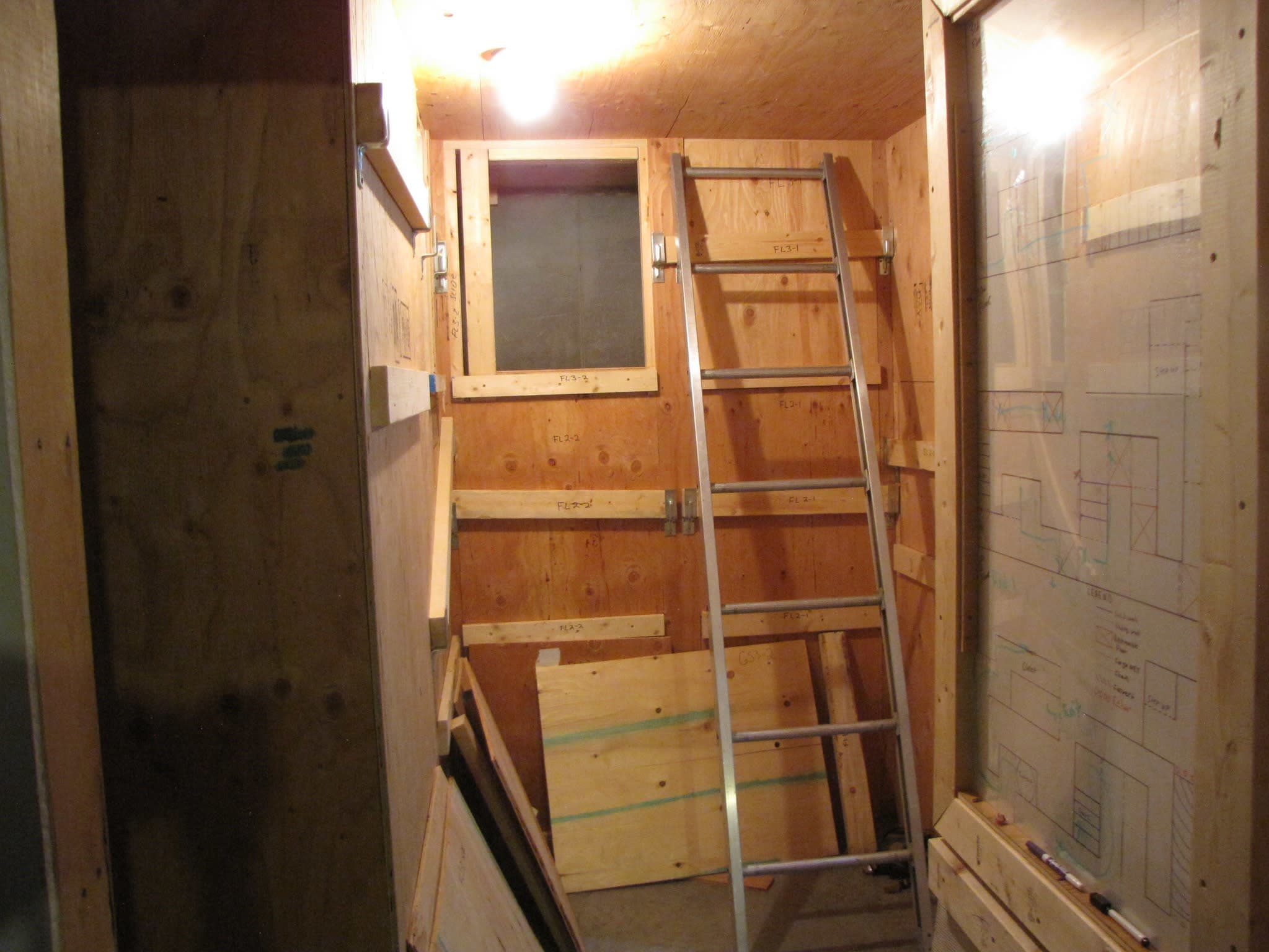
SCBA Confidence Course - SAT
Saturday Full Day Classes - ~8hrs.
Location
Speakers
-
Dalton AxelsenMy name is Dalton Axelsen, I have been with Watertown Fire Rescue since 2017 and was a volunteer in Aurora prior. I am currently an FAO/Medic with WFR. I'm also a member of the Pheasant Country FOOLS, Firefighter Skill Mastery and an adjunct instructor for the Med/Fire Rescue program at LATC.
Summary
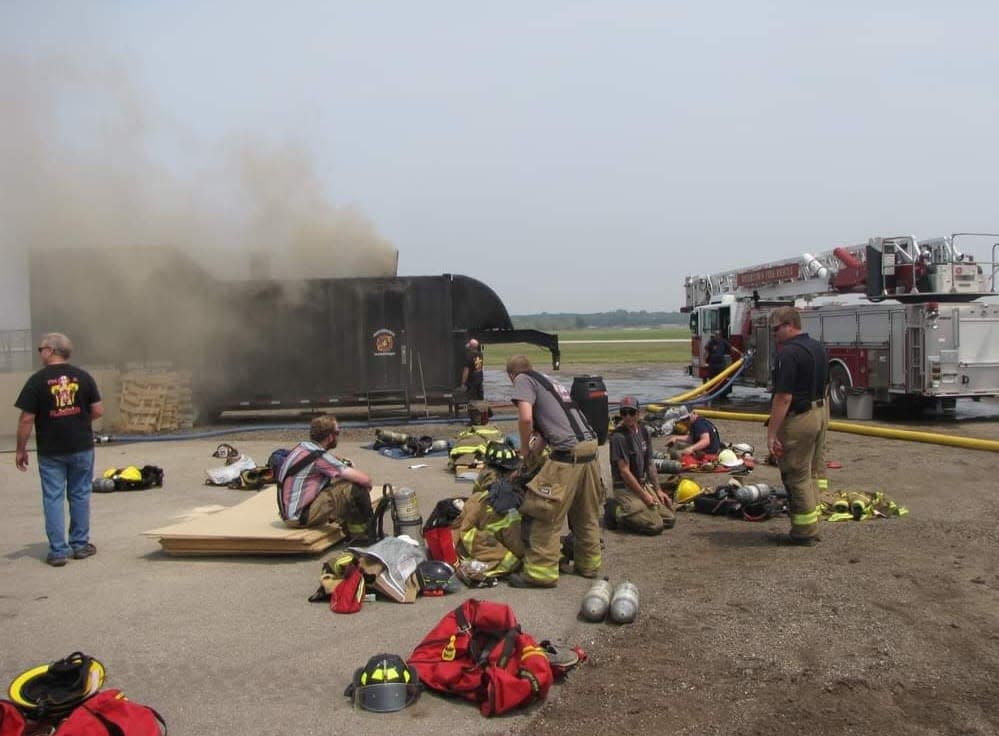
Flashover Simulator/Live Fire Training - SAT
Saturday Full Day Classes - ~8hrs.
Location
Speakers
-
Customized Firefighter TrainingCustomized Firefighter Training Inc. was established in 1998. Founder, Jim Carpenter was seeing a need to give quality hands on training that comes to the department. Carpenter is a 30-year veteran of the fire service. His company now travels to 5 states performing classes on interior attack and Flashover recognition along with a wide range of topics. All our staff is seasoned Firefighters that have or are rising through the ranks in both volunteer and career fire departments. Most of them have been with us for 10 years or more. We pride ourselves in trying to have the most up to date training, taught in a thought provoking and interactive class with real-life hands-on training.
Summary
Rural Water Supply Operations - SAT
Saturday Full Day Classes - ~8hrs.
Location
Speakers
-
Mark DavisMark Davis has been involved in the fire service for 40+ years and is the founder and owner of GBW Associates, LLC. Mark is a retired Battalion Chief from the Montgomery County Fire and Rescue Service in Maryland and former volunteer Fire Chief with the Winfield Community VFD in Carroll County, Maryland. Mark has both a bachelors and a master degree from the University of Maryland where he concentrated on fire science and public administration. He is a Certified Fire Protection Specialist (CFPS), Master Pond Manager, certified State instructor and has been involved in training for over 35 years.
Summary

No Gimmicks Handline Management - SAT
Saturday Full Day Classes - ~8hrs.
Location
Speakers
-
Stone Face FOOLSThe StoneFace F.O.O.L.S derive from like-minded individuals that are determined to be a catalyst for fire service, progression, proficiency and professionalism. We do this through upholding the tradition and passion of those who came before us, both career and volunteer alike.
Summary
Firefighting Essentials - SAT
Saturday Full Day Classes - ~8hrs.
Location
Speakers
-
Steve OberleSteven Oberle, 32 year volunteer firefighter all for the Tea Volunteer Fire Department. I have been married for 23 years, I have two kids and one grandson. Like a lot of you it was a family thing. My father was in the Tea Fire department so I figured why not try it. I started young in the craft just to help my committee and grew to love the job when the pager goes off. Just. Over the years I've held many positions on Tea Fire, many of those as the Chief, Asst. Chief, Captain, Black Helmet, Public Safety officer, Wildland ENGB. I have a strong passion for training and safety, those two go hand in hand in my eyes. I'm always looking for techniques to help improve my firefighter skills.
-
Eric Andal
Summary

Building the Fire Officer - SAT
Saturday Full Day Classes - ~8hrs.
Location
Speakers
-
Derek PetersenDerek Peterson has been in the fire service since 1991. He retired a Captain and Paramedic from the Saint Paul (MN) Fire Department in January of 2022. Derek has been a certified fire instructor with various technical colleges and training institutions for the last 27 years. He currently acts as a lead instructor for Century College’s Continuing Education Program and other various Leadership Courses. Derek has developed courses on modern fire attack, rapid intervention, company operations, incident command for technical rescue, advanced strategies and tactics, and leadership.
-
David Radtke
Summary

Advanced Vehicle Rescue/Extrication - SAT
Saturday Full Day Classes - ~8hrs.
Location
Speakers
-
MIKE ELIASONMike Eliason is a Lieutenant with the City of Aberdeen Fire/Rescue and has been on the department for over 23 years. Prior to his employment with Aberdeen Fire/Rescue, Mike received an Associate’s Degree in Applied Fire Science from Northland Community and Technical College in E. Grand Forks MN. He is an active SD State Fire Instructor, having taught various Fire/Rescue classes at several SD Sate and District Fire Schools. Mike also teaches the SD State Certified Firefighter and Driver/Operator programs to local fire agencies, usually administering multiple classes each year.
Summary

Rope Rescue, Advanced - SAT
Saturday Full Day Classes - ~8hrs.
Location
Speakers
-
Cameron MackCameron Mack has been a firefighter/paramedic with Watertown Fire Rescue since 2013. He is a certified Rope Rescue Instructor and is also certified as a Tower Rescue Instructor. To further continue his Rope Rescue education, he became certified by the Society of Professional Rope Access Technicians (SPRAT) as a Level 1 technician in 2020. He also instructs Confined Space Rescue courses and assists with Trench Rescue courses at Watertown Fire Rescue. On his off days from the fire department he is a Paramedic instructor for Lake Area Technical College in Watertown.
Summary
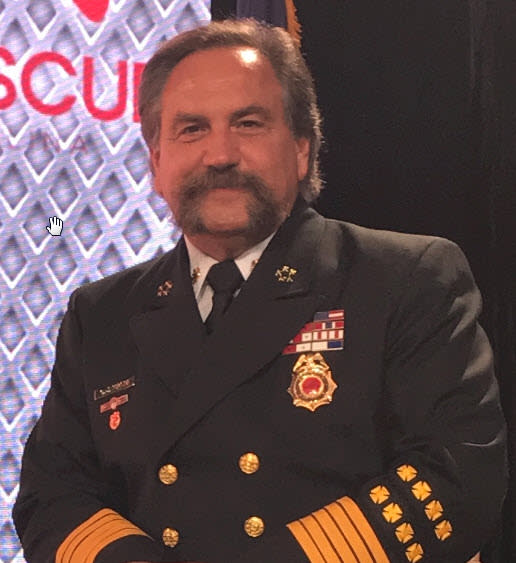
Reading the Building: Building FACTS and Size-up on Residential Streets - SAT
Saturday Full Day Classes - ~8hrs.
Location
Speakers
-
Christopher NaumChief Christopher J. Naum, SFPE Chief of Training, Command Institute, Center for Fireground Leadership Technical Consultant, NIOSH Firefighter Fatality Investigation Program Fireground Command & Operations Consultant A 50-year fire service veteran, a highly regarded national-international instructor, author, lecturer and fire officer, he’s a distinguished authority on building construction issues affecting the fireground operations, command and tactics and has traveled extensively throughout the United States and internationally delivering training programs on building construction and firefighting, command and operational safety for over thirty-nine years. He’s the Chief of Training for the Command Institute, served as a Vice President with the International Society of Fire Service Instructors and a past member of the Board of Directors, IAFC Safety, Health & Survival Section. A former command fire officer, architect and fire protection engineer, he was the 1987 ISFSI-Fire Engineering Magazine George D. Post National Fire Instructor of the Year, and is a Technical Consultant, Advisor and Subject Matter Expert to the NIOSH Firefighter Fatality Investigation Program. He has been a Contributing Content Editor and Contributor to Fire Engineering Magazine, FireEnginering.com, FireFighterNation.com and previously with Fire-Rescue Magazine and currently hosts the monthly podcast-webcast program; Buildingsonfire’s Taking it to the Streets on FireEngineering.com. He is the publisher of the new Building Construction video-gram series and the accompaniment Reading the Building Info-grams on the Clarion Event’s Fire Engineering platforms, Buildingsonfire’s A View from the Street Reading Buildings focusing exclusively on Building Construction issued affecting fireground risks, operations and command. In addition. He served as an adjunct Instructor with the National Fire Academy and a National Fallen Firefighter Foundation, Everyone Goes Home Firefighter Safety Advocate. He is a sought-after national keynote speaker, instructor and presenter and has served as an FDIC General Session Keynote speaker. He is highly recognized for his innovative training lecture series, integrating Building Construction Sciences and Fireground Operations taking the classroom onto urban city streets to fully examine and study the built environment with Building Reads and their direct relationship in fireground command, risks, tactics and safety. He been a NIOSH Firefighter Fatality Investigation and Prevention Program technical expert contributing in-depth insights on building performance, structural compromise and collapse and operational recommendations to numerous line- of-duty death reports over the past fifteen years. His supporting report graphics and illustrations have added tremendous value to the report findings and recommendations supporting his comprehensive insights and analysis. He has been a contributing author, presenter, and podcast host on numerous fire service websites, publications, and conferences in the United States and Internationally.
Summary
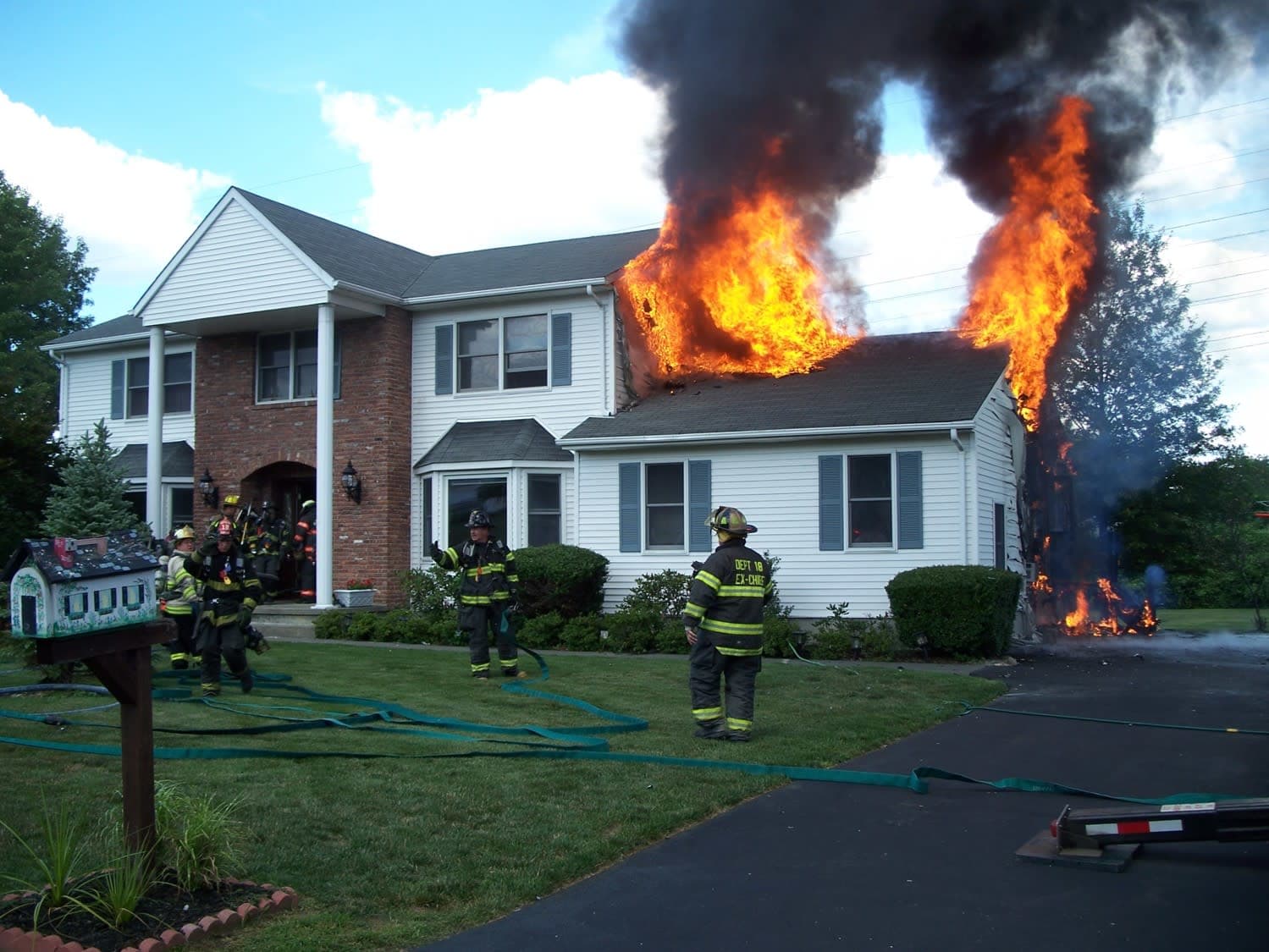
Modern Strategies and Tactics for House Fires - SAT
Saturday Full Day Classes - ~8hrs.
Location
Speakers
-
Jerry KnappHe is the chief of the Rockland County (NY) Hazmat Team and a former nationally certified paramedic. He has a degree in fire protection and is an adjunct professor of fire technology. He authored the Fire Attack chapter in Fire Engineering’s Handbook for Firefighter I and II and has had numerous articles published in Fire Engineering.
Summary
TIMS-Train the Trainer - SAT
Saturday Full Day Classes - ~8hrs.
Location
Summary

Basic Vehicle Extrication - SAT
Saturday Full Day Classes - ~8hrs.
Location
Speakers
-
Jeremy Scott
Summary
Reading Smoke for Tactical Decision Making - SAT. AM
Saturday AM Classes - ~4hrs.
Location
Speakers
-
Benjamin WilleyI have been happily married since 2002 to my wife, Lacey. She is a paraprofessional working with emotionally disturbed children for an elementary school in the Fargo Public School District. We have two children, Noah who is 20yo and studying nursing at North Dakota State University and Ella who is 18yo and a senior in the Fargo Public School District. Ella plans to study journalism at UND. I have been in the fire service since 2003. I am currently an engine company captain for the Fargo Fire Department. I previously served as a training captain for the department from 2018 to 2023. I have also been an instructor for the North Dakota Firefighters Association since 2007. I have a passion for learning, especially about leadership, relationship building, and, of course, fire fighting. I have found instructing provides the greatest opportunities to feed this passion while also sharing it with others. I appreciate the opportunity to extend my circle to the brothers and sisters of the South Dakota fire service and thank you all for inviting me to be a part of your learning experience.
Summary
Operational Decision Making - From the Chief to the Back Seat - SAT. AM
Saturday AM Classes - ~4hrs.
Location
Speakers
-
Jake JorgensonJake Jorgenson has served 18 years in the fire service. With 16 years at Watertown Fire Rescue. He is currently serving as a Lieutenant. He also teaches at Lake Area Technical College's Med Fire Rescue Program. Jake has had articles published by Fire Engineering Magazine and Firefighter Nation and has been a guest on the Fire Engineering Podcast Show Tactical Impact.
Summary

Rural Success: Winning With The Engine You Have, Not The Engine You Want - SAT. AM
Saturday AM Classes - ~4hrs.
Location
Speakers
-
Brandon FletcherBrandon Fletcher is the Chief of the Gilt Edge Fire Department in Tennessee and a 25-year student of the fire service. He is a second-generation firefighter with a background as both a volunteer and career firefighter in the rural, suburban, and airport/industrial settings. Brandon holds a Bachelor of Science in Agriculture from the University of Tennessee Martin and is a graduate of the Texas A&M Fire Service Chief Executive Officer (FSCEO) program. He is a contract instructor for the National Fire Academy and the Center for Domestic Preparedness, working in the HazMat programs for both organizations. Brandon has also served as a member of the Fire Service Occupational Safety (NFPA 1550) and Fire Officer Professional Qualifications (NFPA 1020) technical committees.
Summary
Bad Leaders, Inherited Teams, and The Wrong People in The Right Positions - SAT. AM
Saturday AM Classes - ~4hrs.
Location
Speakers
-
Calen ManingasAs a Battalion Chief and 17-year member of the Rapid City Fire Department (RCFD), Chief Maningas has been a leadership catalyst with a traditional yet progressive organization. Serving in Fire and EMS Operations, Chief Maningas leads a shift of 46 members operating out of seven stations. He serves as a contract instructor for the National Fire Academy (NFA), including the Executive Fire Officer (EFO) Program, is a member of the South Dakota State Fire Marshals Advisory Board, and a nationally published author and speaker. Chief Maningas has been featured at Fire Rescue International (FRI) and Center for Public Safety Excellence (CPSE) – Excellence Conference as well as works directly with departments on Strategic Leadership and Visionary Planning. Chief Maningas founded Community Risk Reduction initiatives for the city, lead regional rescue teams, instructs high-risk disciplines, and leads Professional Development.
Summary

Fire and the Media 101: What to Say when You’re in the Hot Seat - SAT. AM
Saturday AM Classes - ~4hrs.
Location
Speakers
-
Steve LongSteve Long - During 25 years as a local TV News Anchor/Reporter Steve was honored with 40 awards for journalistic excellence. He is now the PIO for SD Wildland Fire. He has been blessed to learn from PIO teams on fires in multiple states. At a 2025 fire in Minnesota the National Incident Management Team (NIMO) entrusted him with training 2 upcoming leaders for media interviews.
-
Brad ReinersBrad Reiners, ABC - Communications Director/South Dakota Dept. of Public Safety Brad is an accredited business communicator with the Intl. Assoc. of Business Communicators. His lengthy career has included roles as a TV Newscast Director and many years working in corporate communications for international companies, specializing in public brand promotions.
Summary
Pump Operations - SAT. AM
Saturday AM Classes - ~4hrs.
Location
Speakers
-
Jack Volz
Summary
Reading Smoke for Tactical Decision Making - SAT. PM
Saturday PM Classes - ~4hrs.
Location
Speakers
-
Benjamin WilleyI have been happily married since 2002 to my wife, Lacey. She is a paraprofessional working with emotionally disturbed children for an elementary school in the Fargo Public School District. We have two children, Noah who is 20yo and studying nursing at North Dakota State University and Ella who is 18yo and a senior in the Fargo Public School District. Ella plans to study journalism at UND. I have been in the fire service since 2003. I am currently an engine company captain for the Fargo Fire Department. I previously served as a training captain for the department from 2018 to 2023. I have also been an instructor for the North Dakota Firefighters Association since 2007. I have a passion for learning, especially about leadership, relationship building, and, of course, fire fighting. I have found instructing provides the greatest opportunities to feed this passion while also sharing it with others. I appreciate the opportunity to extend my circle to the brothers and sisters of the South Dakota fire service and thank you all for inviting me to be a part of your learning experience.
Summary

Operational Decision Making - From the Chief to the Back Seat - SAT. PM
Saturday PM Classes - ~4hrs.
Location
Speakers
-
Jake JorgensonJake Jorgenson has served 18 years in the fire service. With 16 years at Watertown Fire Rescue. He is currently serving as a Lieutenant. He also teaches at Lake Area Technical College's Med Fire Rescue Program. Jake has had articles published by Fire Engineering Magazine and Firefighter Nation and has been a guest on the Fire Engineering Podcast Show Tactical Impact.
Summary
Shaping Your Volunteer Fire Department to Fit Today's Expectations - SAT. PM
Saturday PM Classes - ~4hrs.
Location
Speakers
-
Brandon FletcherBrandon Fletcher is the Chief of the Gilt Edge Fire Department in Tennessee and a 25-year student of the fire service. He is a second-generation firefighter with a background as both a volunteer and career firefighter in the rural, suburban, and airport/industrial settings. Brandon holds a Bachelor of Science in Agriculture from the University of Tennessee Martin and is a graduate of the Texas A&M Fire Service Chief Executive Officer (FSCEO) program. He is a contract instructor for the National Fire Academy and the Center for Domestic Preparedness, working in the HazMat programs for both organizations. Brandon has also served as a member of the Fire Service Occupational Safety (NFPA 1550) and Fire Officer Professional Qualifications (NFPA 1020) technical committees.
Summary

Limits: Leadership Lessons Command and Control Will Not Teach You - SAT. PM
Saturday PM Classes - ~4hrs.
Location
Speakers
-
Calen ManingasAs a Battalion Chief and 17-year member of the Rapid City Fire Department (RCFD), Chief Maningas has been a leadership catalyst with a traditional yet progressive organization. Serving in Fire and EMS Operations, Chief Maningas leads a shift of 46 members operating out of seven stations. He serves as a contract instructor for the National Fire Academy (NFA), including the Executive Fire Officer (EFO) Program, is a member of the South Dakota State Fire Marshals Advisory Board, and a nationally published author and speaker. Chief Maningas has been featured at Fire Rescue International (FRI) and Center for Public Safety Excellence (CPSE) – Excellence Conference as well as works directly with departments on Strategic Leadership and Visionary Planning. Chief Maningas founded Community Risk Reduction initiatives for the city, lead regional rescue teams, instructs high-risk disciplines, and leads Professional Development. Having Masters in Executive Leadership, designated a Center for Public Safety Excellence (CPSE): Chief Fire Officer (CFO), and graduating the NFA: EFO as a key leading candidate, Chief lives in the divide between leader-follower and leader-leader fire service. He is committed to adding value to the community by producing leaders who provide above expectation services, living by the philosophy that the example set should surpass the authority given.
Summary
Pump Operations - SAT. PM
Saturday PM Classes - ~4hrs.
Location
Speakers
-
Jack Volz
Summary

Halligan Tools & Digital Rules: A Fire Dept’s Guide to Social Media and AI - SAT. PM
Saturday PM Classes - ~4hrs.
Location
Speakers
-
Nicolas Weisenbach - Training OfficerNicolas Weisenbach and Abby Jensen, both active members of the Worthing Community Fire Department, bring a dynamic blend of firefighting experience and modern technology to a classroom setting. With over 19 years in the fire service, Nicolas offers a deep understanding of fire department operations and community engagement. Abby brings a combination of teaching endorsements in technology and a younger generational look at social media. This pair bridges the gap between traditional firefighting and today’s digital tools to maximize the online appearance and engagement of fire departments on social media.